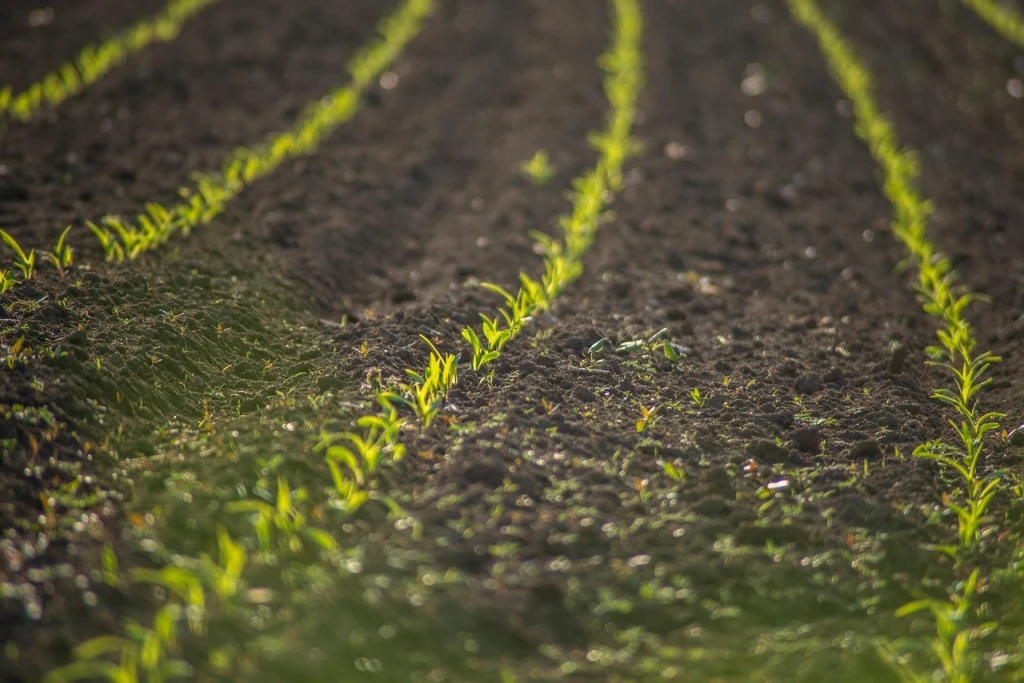
Regenerative Agriculture: Boosting Soil Carbon and Climate Solutions

6 Feb 2026 in Green living

The demand for sustainable farming has brought regenerative agriculture to the forefront as a key solution for combating climate change and enhancing food system resilience. This practice focuses on improving soil health and increasing carbon sequestration in agricultural lands, which not only boosts soil productivity but also reduces greenhouse gas emissions and supports long-term environmental sustainability.

With the potential to reverse soil degradation, increase biodiversity, and mitigate climate change, regenerative agriculture is a powerful tool in the fight against global warming.

The Power of Soil Carbon Sequestration in Climate Action

Soil carbon sequestration is a central benefit of regenerative agriculture, capturing carbon from the atmosphere and storing it in soil. Practices like cover crops, no-till farming, and rotational grazing enhance the soil's ability to absorb carbon, improve soil fertility, and increase water retention, making land more resilient to drought and flooding.

Regenerative Agriculture Practices: A Path to Sustainable Farming

Regenerative agriculture focuses on practices that regenerate the land, enhance biodiversity, and reduce dependency on synthetic chemicals. By implementing cover crops, no-till farming, and rotational grazing, farmers help restore soil health, increase carbon sequestration, and reduce agricultural carbon emissions.

These practices build healthy ecosystems, improve water quality, and create resilient agricultural systems capable of withstanding environmental challenges.

Why Soil Health is Key to Regenerative Agriculture

Healthy soil is vital to regenerative agriculture. It stores more carbon, retains water better, and supports greater biodiversity. Regenerative practices rebuild soil organic matter, helping soil capture more carbon and mitigate climate change. Enhancing soil biodiversity promotes healthier ecosystems and balanced environments that support farming.

Enhancing Biodiversity Through Regenerative Practices

Regenerative agriculture helps improve biodiversity by creating diverse agricultural landscapes that support various plant and animal species. This diversity fosters healthier ecosystems, improves ecological resilience, and enhances the ability of agricultural systems to adapt to climate change.

How Evertreen Supports Regenerative Agriculture and Carbon Sequestration

Evertreen plays a significant role in advancing regenerative agriculture by supporting tree planting initiatives that promote carbon sequestration and biodiversity restoration. Their efforts help restore soil health and water cycles, contributing to the broader goals of sustainability. Start making a tangible impact by visiting Evertreen Projects.

How You Can Contribute to Solving the Water Crisis with Regenerative Agriculture

Regenerative agriculture offers a practical way to address the world’s environmental challenges. By adopting sustainable water practices, reducing carbon emissions, and supporting ecosystem restoration, we all play a role in creating resilient, sustainable food systems.

Visit Evertreen Trees to plant trees and contribute to regenerative efforts that benefit both the environment and local communities.


Take Action Now:

The time to act is now. Support regenerative agriculture practices that improve soil health, enhance biodiversity, and help sequester carbon. Visit Evertreen to begin your journey toward a more sustainable, climate-resilient future. Learn how deforestation is impacting climate change and discover what you can do by visiting Evertreen News.

products View cart

Plant & offset from £ 1

Let’s find the best tree planting or Verra CO₂ offset solution for your needs.

I agree to be contacted by email and SMS from Evertreen based on my provided details