

Corporate ESG Reporting and Reforestation: The Human Impact
30 Sep 2026 in Green living
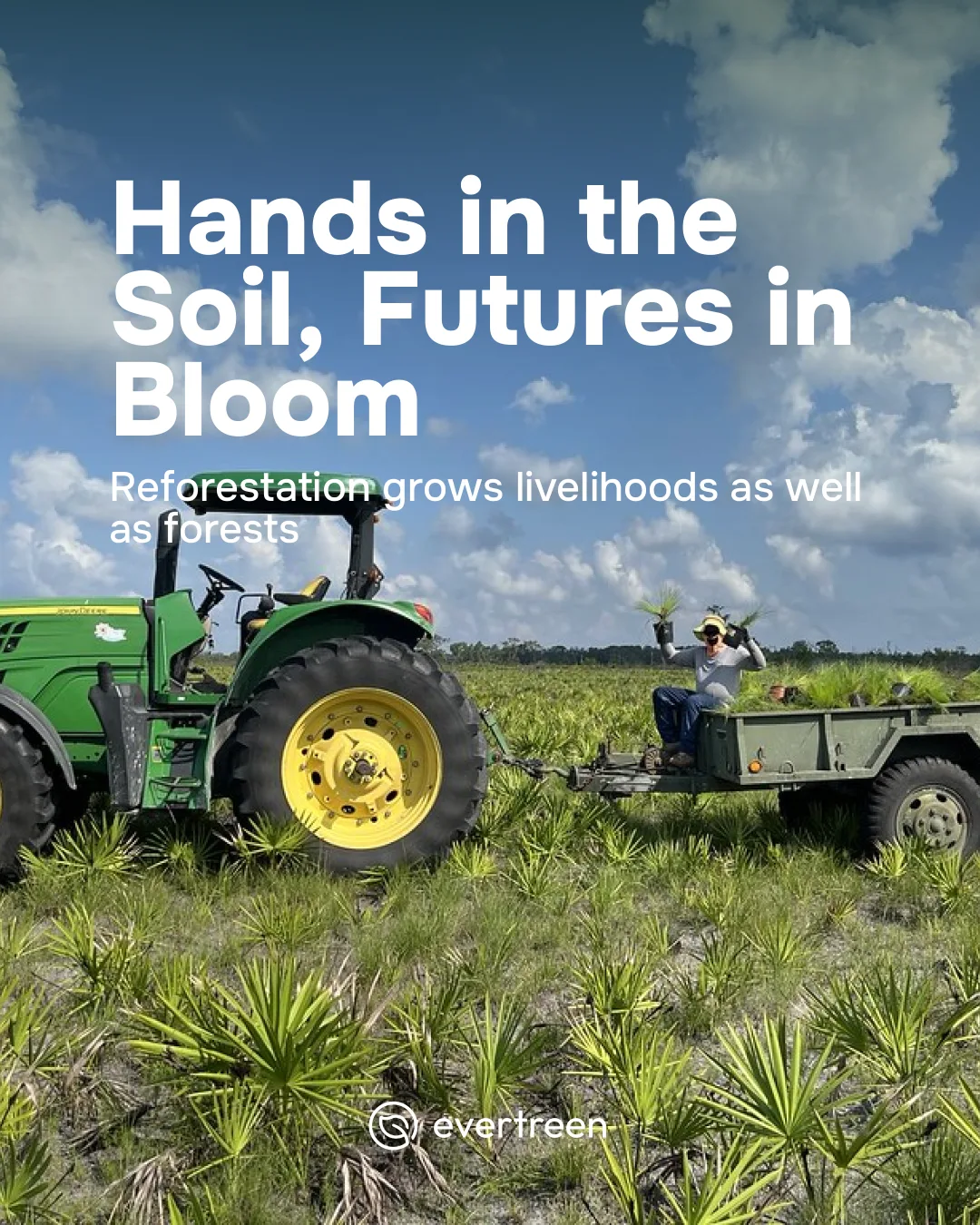
Reforestation isn’t just about trees—it’s about people and places too. Through Evertreen’s projects, over 3.7 million trees have been sponsored for planting while local communities have gained more than 365,000 estimated working hours, showing how effective corporate ESG reporting and reforestation can be when prioritizing both environmental and social value.
Why Reforestation Matters for ESG Reporting
Corporate ESG reporting and reforestation are closely linked. “ESG” (Environmental, Social, Governance) metrics now often include how companies interact with nature—and efforts to support reforestation are a quantifiable way for businesses to communicate climate action and community investment. Unlike pure environmental projects, community-centered reforestation counts toward both ‘E’ and ‘S’ metrics by addressing forest restoration and local livelihoods.
Measuring Social and Environmental Impact
When companies support reforestation through platforms like Evertreen, the results are twofold: estimated long-term carbon absorption and real, paid work at the planting site. Evertreen’s projects have created more than 365,000 working hours to date, all while supporting nature-based climate contributions in 35 countries. Sponsors can follow project updates, GPS tree locations, and see real photographs of the process—bringing transparency into the impact.
The Mechanism: How Reforestation Projects Operate
Reforestation projects typically involve local communities who prepare land, plant biodiversity-rich species, monitor saplings, and care for young forests over time. This work is coordinated with trusted partners, often through agroforestry or carefully managed planting days. The result is a blend of restored landscape and local economic opportunity. ESG reporting now encourages organizations to disclose not just environmental benefits, but also the hours of employment, community engagement, and transparency in project outcomes.
Reporting Reforestation in ESG Disclosures
To include reforestation in corporate ESG reporting, businesses typically document the following:
- Estimated CO2 absorption over the lifetime of trees supported
- Working hours generated for local communities
- Project transparency: sharing updates, photos, and locations
- Alignment with reporting frameworks: such as the GRI, CSRD, or UN SDGs
By reporting these outcomes, companies demonstrate tangible environmental and social progress.
Comparing ESG-Eligible Environmental Actions
| Action | Environmental Impact | Social Impact | Reporting Transparency |
|---|---|---|---|
| Tree Sponsorship via Evertreen | Restores forests, estimated CO2 absorption | Creates working hours | Regular updates, GPS tracking, photos |
| Renewable Energy Purchase | Reduces fossil fuel usage | Supports regional clean energy | Energy certificates, utility records |
| Standard Offsets (no local work) | Reduces GHG elsewhere | Often minimal | Registry or project report |
Frequently asked questions
How do working hours from reforestation benefit communities?
Paid working hours provide stable income to local people, support families, and can build long-term community capacity for sustainable land management.
Can companies include community impact in ESG reports?
Yes. Social outcomes like job creation, fair wages, and community engagement are valued under ESG reporting—alongside environmental metrics.
How transparent is the reporting for Evertreen projects?
Sponsors receive GPS location data, regular photos, and project updates for all trees supported, ensuring traceable and credible reporting.
What else can be included in ESG-driven reforestation?
Companies may also highlight partnerships, biodiversity gains, and alignment with relevant sustainability frameworks such as the UN SDGs or CSRD requirements.
Curious about supporting nature and people? Learn more about Evertreen’s projects at our transparency page.
