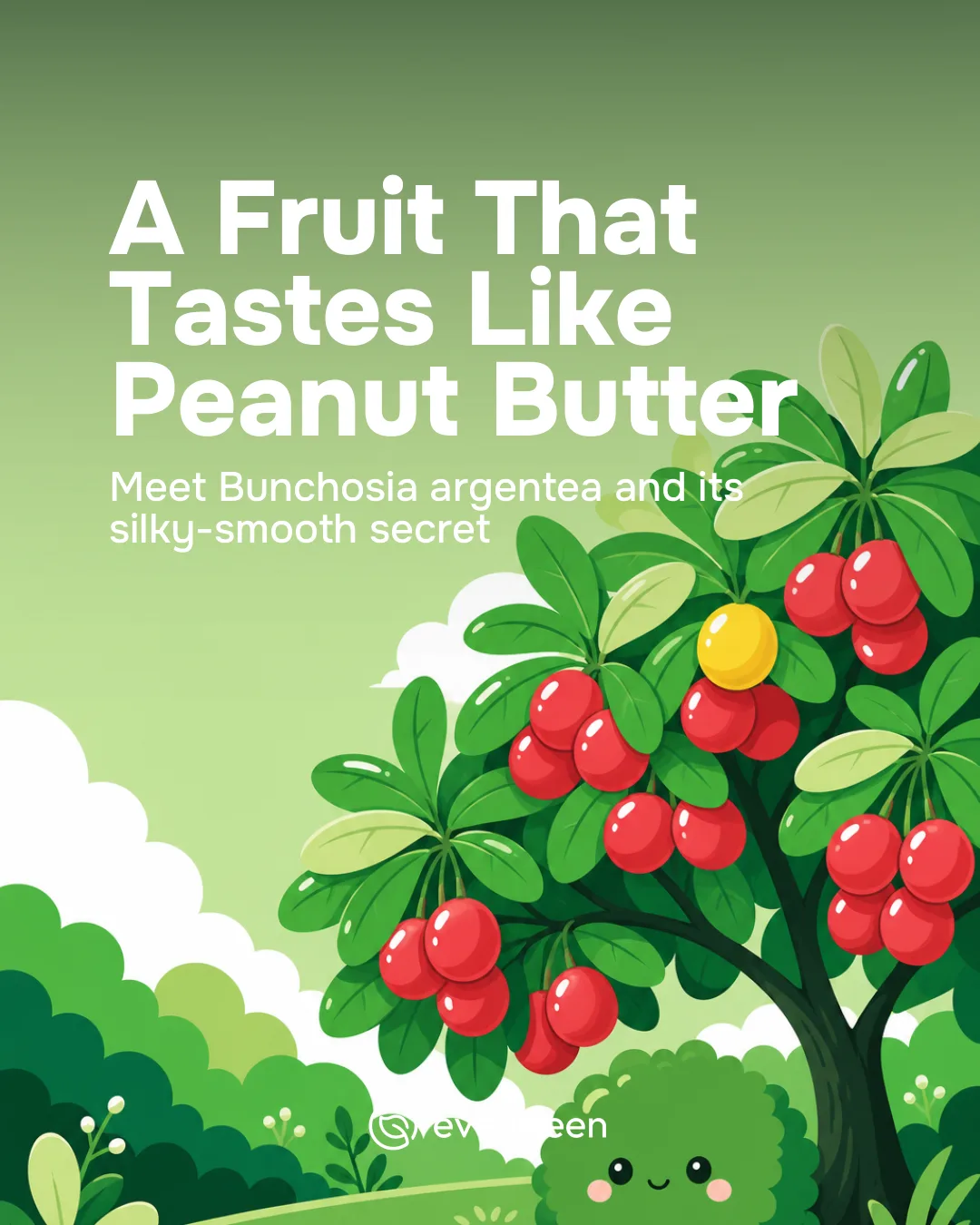
The peanut butter fruit tree (Bunchosia argentea) is a tropical plant with a delicious secret: its small, red fruits naturally taste like creamy peanut butter. These rare berries are a marvel of nature, offering tasty surprises and revealing fascinating facts about plant diversity and adaptation, making peanut butter fruit tree facts a hot topic for nature lovers and food explorers alike.
What is the Peanut Butter Fruit Tree?
The peanut butter fruit tree, or Bunchosia argentea, is a small subtropical tree native to South America. It gained its name thanks to the nutty, smooth flavor of its fruit, which is oddly reminiscent of real peanut butter. The tree typically grows between 2 and 7 meters tall and produces clusters of bright red, oval berries that are edible and sweet.
The foliage of Bunchosia argentea features elliptical, velvety leaves, giving the tree an ornamental appeal even when not in fruit. Its delicate yellow flowers attract pollinators such as bees and butterflies, which support broader biodiversity wherever the tree is grown. Once pollinated, these flowers give rise to the distinctive fruits that have made the peanut butter tree so sought after.
These trees are evergreen in nature, which means they keep their leaves year-round in suitable climates, adding to their value in planted landscapes for shade and continuous habitat. As it remains relatively compact compared to many tropical trees, Bunchosia argentea can be cultivated in both home gardens and small agroforestry systems, especially in biodiversity-friendly zones.
How Does the Peanut Butter Fruit Taste Like Peanut Butter?
One of the most common peanut butter fruit tree facts that surprises people is the extraordinary flavor of its fruit. Despite containing no actual peanuts, the pulp of the berry is soft, rich, and strikingly similar in taste and aroma to peanut butter—sometimes described as having added notes of berry jam or honey. This is due to a unique blend of volatile compounds in the fruit’s flesh. For people with peanut allergies, however, it’s still recommended to consult an allergist before trying just in case of plant family cross-reactivity.
The naturally occurring chemical compounds responsible for the fruit’s flavor are still being researched by food scientists and botanists. While the exact combination has yet to be fully catalogued, recent analyses suggest a combination of esters and aromatics that mimic the roasted and nutty notes typical of peanut butter. This has captured the curiosity of chefs and food enthusiasts searching for new, natural flavor experiences. In taste tests, some people even detect hints of jam, caramel, or honey, making the fruit deliciously complex.
Because it is totally unrelated to peanuts, people with peanut allergies often ask if it's safer for them to eat. Most allergists note that there is no botanical connection, though individuals should always be cautious with novel foods. The peanut butter fruit’s unique flavor is one of nature’s curiosities—demonstrating how unrelated plants can sometimes develop similar taste traits through entirely different evolutionary paths.
Where Does Bunchosia argentea Grow?
Peanut butter fruit trees are native to regions of Brazil, Colombia, Venezuela, and parts of Central America. They thrive in warm, humid climates with plenty of sun and well-drained soil. In recent years, they've become popular among rare fruit collectors and permaculture enthusiasts in subtropical gardens around the world, especially in southern US states, Australia, and parts of Southeast Asia.
In their native habitat, these trees grow wild along forest edges, in thickets, and in secondary growth woodlands. Gardeners and farmers growing them outside their native range usually select microclimates protected from strong winds and cold snaps. While Bunchosia argentea tolerates some drought once established, it flourishes with regular moisture and mulching, which helps promote steady fruit production.
While mature trees can survive light frosts, seedlings and young plants are sensitive to cold. This sensitivity limits their widespread cultivation in temperate climates, though hobbyists in cooler regions sometimes grow them in greenhouses or large containers that can be sheltered over winter.
Why is Peanut Butter Fruit Special?
The peanut butter fruit is fascinating not only for its taste but also as an example of nature’s creativity in flavor and adaptation. Its attractive red color and unique flavor help draw in animals (from birds to mammals) that eat the fruit and disperse its seeds, supporting forest regeneration. The tree is also highly productive, often bearing fruit year-round in suitable conditions.
Besides being a delight for humans, these berries are an important food source for wildlife. Birds, bats, and small mammals eat the fruit and help restore forest areas by naturally distributing seeds. This adds ecological value to cultivated gardens by drawing native pollinators and fruit-eating species, making the peanut butter fruit tree an asset in biodiversity-friendly gardens and forestry projects.
Additionally, the tree’s ability to fruit prolifically—with some specimens producing several harvests annually in the tropics—makes it useful for smallholders and permaculture gardeners seeking continuous harvests of nutritious, unusual food. The fruit can be eaten fresh, added to jams, used in smoothies, or fermented into sauces, adding culinary diversity to regions where it is grown.
| Characteristic | Details |
|---|
| Scientific name | Bunchosia argentea |
| Native range | South America (Brazil, Colombia, Venezuela) |
| Tree height | 2-7 meters |
| Fruit appearance | Bright red, oval berries |
| Taste profile | Reminiscent of peanut butter, sweet, smooth |
| Harvest season | Often year-round in the tropics |
How Can You Grow Peanut Butter Fruit Trees?
Growing Bunchosia argentea can be a rewarding experience for gardeners in suitable climates. The tree prefers rich, slightly acidic soils and responds well to organic mulching. It should be planted in full sun for best flowering and fruiting, though light afternoon shade can help in especially hot regions. Well-drained soils are important, as waterlogged roots can stunt growth or cause disease.
Seeds are usually the best way to start new trees, as Bunchosia argentea cuttings can be slow to root. Fresh seeds have high germination rates if sown in warmth and kept consistently moist. Seedlings grow steadily when well-watered and protected from wind and extreme cold in their first year. Once established, the trees are fairly low-maintenance, requiring only occasional pruning to shape the crown and encourage airflow.
Fertilization should be organic, with compost and slow-release nutrients to avoid chemical burn and to promote long-term soil fertility. While few serious pests or diseases target peanut butter fruit trees, regular inspection for scale, aphids, or fungal spots is advised. With proper care, most young trees begin fruiting within three to four years of planting.
How Does Bunchosia argentea Contribute to Biodiversity?
This unusual tree shows the importance of conserving diverse plant species in rainforests and subtropical regions. The more biodiversity forests support, the greater their resilience to climate change and pests. Losing rare trees like Bunchosia argentea would mean not only the loss of an edible curiosity, but also a missing link in complex local ecosystems.
Bunchosia argentea is a part of the larger Malpighiaceae family, which includes thousands of species with fascinating ecological roles. Its fruits help connect plants, animals, and people through nutrient cycling, seed dispersal, and pollination. Each individual species in a forest web strengthens the whole, making the environment more robust against external shocks.
By maintaining and planting rare or forgotten fruit trees like the peanut butter fruit, communities help protect local gene banks and cultural food traditions—both of which face threats from habitat loss and changing land use. The tree’s adaptability and attractive fruit make it a candidate not only for preservation, but also for introduction into reforestation efforts that value food-producing diversity and allow both wildlife and people to benefit.
What’s the Connection to Nature-Based Solutions and Reforestation?
Learning about species like peanut butter fruit shows why nature-based climate solutions—such as restoring forests with native and productive trees—are so important. Evertreen’s reforestation projects focus on local species, benefiting biodiversity and communities. Protecting and reintroducing a wide variety of trees ensures forest health and provides food, jobs, and resilience to local people.
Integrating a mix of native fruit trees into restoration projects can boost biodiversity, increase yields for local farmers, and offer additional incentives for protecting forests. By celebrating lesser-known trees, we expand our understanding of tropical ecology and provide more options for sustainable land use—important for the long-term success of reforestation and climate adaptation efforts.
When forests are restored with a diverse mix of species, they are better able to provide ecosystem services such as clean air, water filtration, and carbon sequestration. Rare trees like Bunchosia argentea may also hold untapped value for future generations, both for their unique flavors and potential uses in food systems. Community involvement in planting and protecting diverse trees ensures that restoration projects deliver ecological, cultural, and economic benefits over the long term, building stronger ties between people and the landscapes they depend on.
Frequently asked questions
What does the peanut butter fruit taste like?
The fruit’s pulp is soft, sweet, and unmistakably similar in flavor to peanut butter mixed with berry notes.
Can you grow peanut butter fruit trees outside the tropics?
Peanut butter fruit trees need warmth and humidity; they can grow in greenhouses or containers in subtropical and mild temperate regions, but rarely survive frost.
Is the peanut butter fruit related to the peanut plant?
No, peanuts are legumes, while Bunchosia argentea is a fruit-bearing tree in a distinct botanical family (Malpighiaceae).
Are peanut butter fruits good for you?
The fruit is reported to be a source of vitamins, fiber, and antioxidants, and makes a tasty, healthy snack when eaten fresh.
Why aren’t peanut butter fruit trees more common?
They have a short shelf life after harvest, making them challenging to transport over long distances, so they are rarely sold commercially, but are popular with home gardeners in suitable climates.
Explore Evertreen’s tree-planting projects and discover more forest wonders in our biodiversity collection.