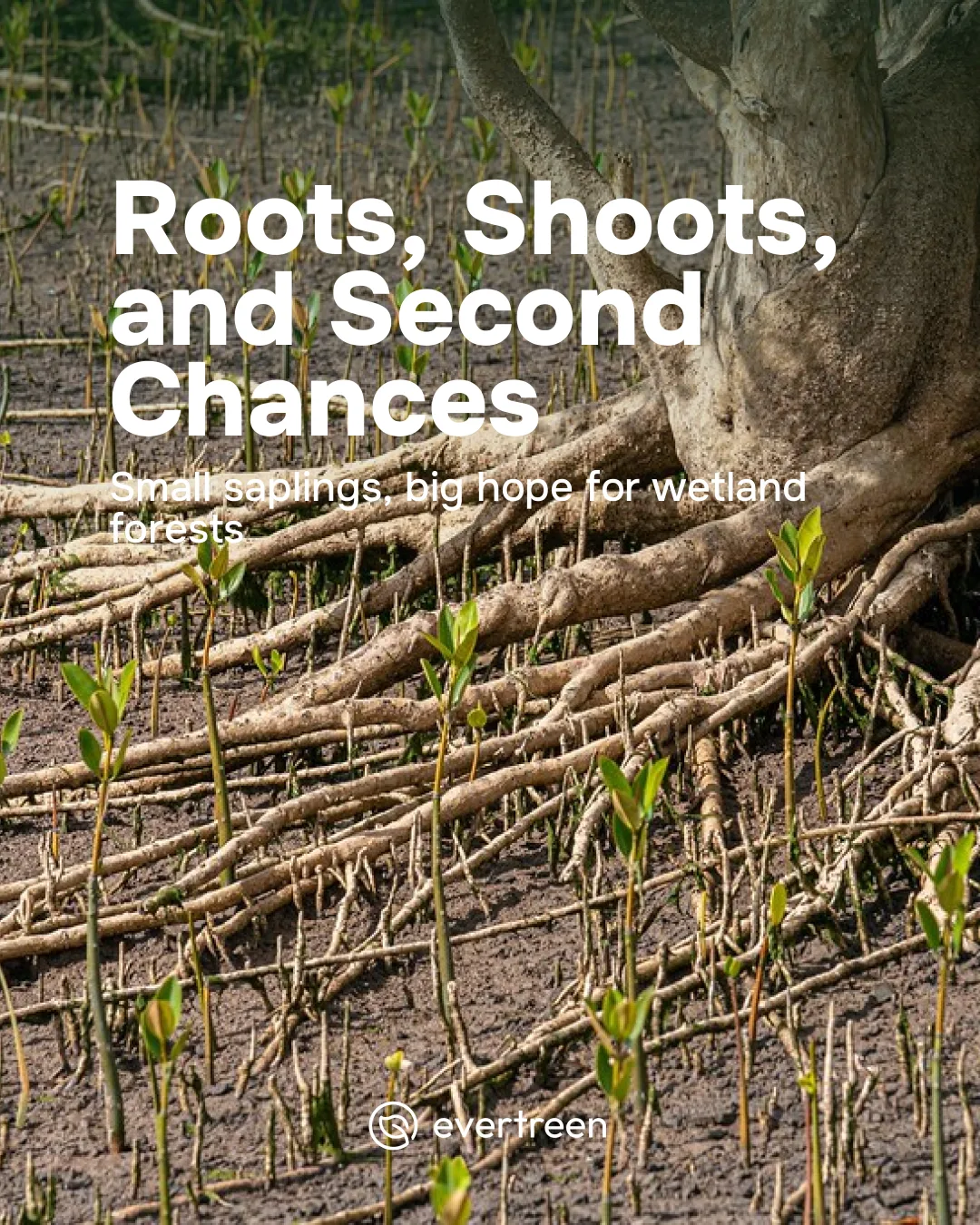
Nature-based solutions for companies are practical approaches that use natural processes—like wetland reforestation—to help address environmental and climate challenges while also bringing community and biodiversity benefits. Wetland restoration projects, such as those supported by Evertreen, demonstrate how companies can invest in the recovery of vital habitats and promote a greener future for both people and the planet.
What are nature-based solutions for companies?
Nature-based solutions encompass a range of actions that work with, rather than against, the natural world. For companies, this means supporting or funding projects that restore, conserve, or sustainably manage ecosystems to address climate change, support biodiversity, and benefit communities. These projects can include reforestation (planting or restoring forests), wetland restoration (bringing back waterlogged habitats), and sustainable agricultural practices that protect soil and water.
One of the key strengths of nature-based solutions for companies is their holistic impact. By investing in natural processes, companies can align their sustainability goals not only with emissions reduction targets but also with wider social and ecological benefits. For example, wetlands are known as "nature’s kidneys" because they filter water, buffer floods, and harbour diverse organisms. In business terms, supporting such projects can help demonstrate environmental responsibility, contribute to environmental, social, and governance (ESG) commitments, and connect company culture to wider planetary health.
Many companies are moving beyond internal operational improvements, such as reducing energy use, to also support projects that regenerate landscapes. These efforts complement technology-driven solutions, adding resilience by harnessing the time-tested power of ecosystems. Wetlands, in particular, stand out for their capacity to trap carbon, moderate climates, and act as crucial habitats for threatened species.
How does wetland restoration work?
Wetland restoration involves bringing degraded or lost wetland areas back to life by reviving the natural conditions that once sustained them. The process is hands-on and requires careful planning. Typical steps include reestablishing water flow (sometimes by removing barriers or restoring old river channels), rewetting dried-out soil, planting native trees and shrubs, and managing or removing invasive species that can outcompete local flora.
Concrete examples of wetland restoration are diverse: in coastal mangrove zones, teams might plant sturdy mangrove saplings along eroded shorelines to buffer against storms and encourage fish habitats. In inland marshes, workers may block drainage ditches to allow the water table to rise, encouraging reeds and rushes to take hold. Sometimes restoration means reintroducing animal species that shape the land, such as beavers, whose natural engineering creates wetland conditions.
The process can be slow. Initial signs of progress—like the return of amphibians or the greening of the ground—are important indicators, but it may take years for the full suite of wetland plants and animals to return. Continued monitoring and adaptive management help steer projects toward long-term success, ensuring benefits for biodiversity, water quality, and carbon storage accrue over generations.
Wetland restoration offers social benefits too. Many projects involve local communities, providing paid employment for activities such as sapling planting, maintenance, and monitoring. The connection between ecosystem health and community well-being makes wetland restoration a prime example of a mutually beneficial climate solution.
Why do companies support nature-based restoration projects?
Companies are increasingly recognising the importance of nature-based solutions, such as wetland and forest restoration, as part of their environmental strategies. There are several motivations driving this support:
- Carbon contribution: While the amount of CO2 absorbed by a restored wetland is estimated and varies considerably by region, species, and site maturity, these ecosystems offer a way for companies to make a measurable, long-term climate contribution that aligns with science-based sustainability goals.
- Biodiversity support: Wetlands are home to rare fish, amphibians, birds, and plants. Supporting restoration helps stem the tide of biodiversity loss and maintains genetic resources that could be crucial in a changing climate.
- Water management: Functioning wetlands act as nature’s water filters, trapping sediments and pollutants before they reach rivers or groundwater. They also act as sponges, absorbing water during storms and slowly releasing it during dry spells, thus supporting local resilience to climate variability.
- Community impact: Restoration projects are often carried out in partnership with local people, creating jobs and building skills while respecting local traditions. The work can provide a new source of sustainable income, especially in areas where traditional livelihoods are threatened by environmental degradation.
For companies, supporting nature-based projects can also bring reputational benefits, as stakeholders increasingly expect real, tangible action on environmental and climate issues. Importantly, because nature-based projects deliver benefits across environmental and social axes, they are suitable for broad corporate responsibility efforts that go beyond "carbon only" approaches.
Nature-based versus engineered solutions: What's the difference?
| Criterion |
Nature-Based Solution |
Engineered Solution |
| Approach |
Works with ecosystems (e.g. planting, restoring) |
Built infrastructure (e.g. dams, levees) |
| Benefits |
Supports biodiversity, climate, and community |
May address single risks (e.g. floods) but not biodiversity |
| Long-term impact |
Improves over time as nature matures |
May degrade or require repair |
| Flexibility |
Adapts with changing climate and landscape |
Less adaptive, fixed function |
Nature-based solutions and engineered solutions are both important for managing climate and environmental risks, but they work differently. Nature-based approaches use plants, soils, water, and local wildlife to deliver services—like flood protection, water purification, and habitat creation. These solutions often increase in effectiveness over time as ecosystems recover and mature. Examples include restoring mangroves to protect coastlines or replanting forests to reduce landslides.
Engineered solutions, by contrast, rely on human-made infrastructure such as dams, seawalls, levees, and water treatment plants to address specific problems. While they can be rapidly deployed and designed for clear functions, they may not deliver the wider co-benefits for biodiversity, recreation, or community engagement that nature-based approaches provide.
There are trade-offs: engineered solutions typically require regular maintenance and may have a fixed lifespan. Nature-based solutions, while initially slower to deliver some benefits, often become more resilient, cost-effective, and multifunctional as they mature. Many modern strategies combine both approaches (for example, pairing restored wetlands with stormwater basins), but placing greater emphasis on nature-based methods builds additional value for the long term.
Practical steps for companies to engage with nature-based solutions
For organisations seeking to support nature-based restoration, approaching the opportunity with care and consideration is essential. Here are several practical steps companies can take:
- Identify priority areas: Assess which types of ecosystems—such as wetlands, mangroves, or forests—align with your business values, supply chains, or local partnerships.
- Work with credible partners: Engage with experienced organisations and local experts, such as those Evertreen partners with, who understand native species and community needs.
- Set clear goals: Define what success looks like for your contribution, whether focused on estimated CO2 absorption, biodiversity outcomes, or social impact like job creation.
- Engage stakeholders: Involve employees, customers, and local communities in project design, updates, and celebration of milestones.
- Monitor progress: Track project reports, regular updates, and evolving best practices, adapting your support as restoration advances.
By incorporating these steps, companies maximise the effectiveness and transparency of their nature-based climate contributions—and help tell an authentic story of environmental action.
What role does Evertreen play in wetland and forest restoration?
Evertreen supports reforestation and wetland restoration projects worldwide by partnering with local experts and organisations. These partners bring knowledge of native trees, appropriate planting seasons, and the specific ecological needs of each location. Through a model focused on funding projects that create benefits for climate, people, and nature, Evertreen enables individuals and companies to contribute to environmental regeneration without direct project management responsibilities.
Funding from the Evertreen platform provides resources to plant and nurture millions of saplings — more than 3,720,000 trees have been funded through Evertreen-supported projects to date. Planting campaigns are adapted to local climate and conditions, ensuring that restoration is both effective and respectful of traditional knowledge. In addition to the ecological gains, these projects have led to an estimated 460,000 working hours for local communities, providing livelihoods and skill-building opportunities in remote or underserved areas.
Evertreen makes project progress visible and accessible: sponsors can follow updates about locations, seasonal cycles, and the impact created as projects unfold. The approach is transparent and grounded in collaboration, never guaranteeing any offset or ownership, but helping companies and individuals contribute to global reforestation and ecosystem health for the long term. To learn more about Evertreen's approach, visit the about Evertreen page.
How do healthy wetlands benefit global climate action?
Healthy wetlands play a unique and outsized role in the Earth's climate system. They are natural "carbon sinks": ecosystems that trap and store large quantities of carbon in their soils and plants. This capacity is especially strong in wetlands such as peat bogs, mangroves, and tidal marshes, where slow decomposition and waterlogged conditions lock carbon away for centuries.
When companies support wetland restoration or protection through nature-based contributions, they help enhance this climate function at a system level. While the CO2 removal capacity of any given restoration effort is estimated over the projected lifetime of the ecosystem, these contributions are recognised as important building blocks in global climate progress. At the same time, wetlands support water security, disaster risk reduction, and the survival of culturally significant and endangered wildlife.
It's important to distinguish between tree planting for climate contribution and certified carbon offsetting. Evertreen's reforestation and wetland projects estimate their climate benefit based on models, but do not function as tradable carbon credits. Instead, supporting these projects means making a tangible, nature-based contribution to the planet’s future—an action aligned with science but not sold as verified emission reductions.
In addition to climate benefits, supporting wetland health is vital for preserving biodiversity and community resilience in a rapidly changing world. Companies investing in these projects add their efforts to a global movement of restoration that aims to heal the Earth's essential life systems.
Frequently asked questions
What is the difference between reforestation and wetland restoration?
Reforestation restores forest cover to areas where trees once grew, focusing primarily on the planting and establishment of native tree species. Wetland restoration, on the other hand, targets waterlogged habitats and includes reestablishing natural water flow, planting wetland trees and plants, and recreating the underlying conditions that wetland ecosystems need to thrive. Both approaches restore essential habitat, but wetlands have their own unique requirements.
Can companies count tree planting as carbon offsets?
Tree planting through platforms like Evertreen is recognized as a nature-based climate contribution rather than a certified carbon offset. The estimated CO2 absorption is based on projected tree growth and regional models, representing long-term benefits to the atmosphere. However, it does not provide certified offsets or guarantee carbon neutrality. For credits that can be formally retired for offsets, companies should seek verified projects through trusted standards.
How long does it take for a replanted wetland to recover?
Recovery times for wetlands vary widely. In general, visible ecological improvement—such as the return of birds and amphibians—can occur within a few years, but full restoration of ecosystem functions (like water filtration and carbon sequestration) may take decades. Success depends on the type of wetland, surrounding landscape, climate, and commitment to long-term maintenance. Continual monitoring and community involvement help speed and secure recovery.
Are wetland reforestation projects good for biodiversity?
Yes—wetland restoration projects are usually very positive for biodiversity. Rebuilding these moist, nutrient-rich habitats supports a wide variety of rare, threatened, and endemic species, from migratory birds to amphibians and unique plants. In many regions, wetlands are among the most threatened environments, so their recovery is crucial for halting the loss of global biodiversity and restoring ecosystem balance.
How can companies participate in wetland or forest restoration?
Companies can engage directly by funding restoration projects, working with third-party partners such as Evertreen, or incorporating nature-based solutions into their broader sustainability and employee engagement initiatives. Actions include sponsoring trees, offering tree-planting certificates, and raising awareness through customer and community involvement. More information can be found on the trees for companies page.
To learn more about supporting wetland restoration, explore Evertreen's forest restoration projects.