

Mangroves in Indonesia
Explore how Evertreen's Indonesia Reforestation Project on Biak Island is restoring mangrove ecosystems, combating climate change, and empowering local communities for a sustainable future!
Implementing partner. Mangrove planting in Indonesia was delivered by our partner Reforest Now, in Sumatra. This product is no longer offered; trees already funded remain with the partner that planted them.
Introduction
West Papua, Indonesia, is a region of incredible natural beauty, yet it faces severe environmental challenges. This area, situated within the Coral Triangle, is recognized as a global center of marine biodiversity, but the local ecosystems are in peril. Approximately 75% of the population relies on subsistence farming and fishing, living in poverty and facing the impacts of climate change. Evertreen’s reforestation project in West Papua aims to restore vital mangrove and tropical forest ecosystems, providing significant benefits to both the environment and local communities. Let's explore how our efforts are making a difference.
The Crisis of Deforestation in West Papua
Deforestation and Biodiversity
The unique ecosystems of West Papua are home to diverse flora and fauna that are under threat from deforestation. The loss of these forests not only jeopardizes local wildlife but also threatens the livelihoods of communities that depend on these natural resources. Biodiversity is essential for healthy ecosystems and human well-being; without it, the delicate balance of life in this region is disrupted.
Deforestation leads to habitat loss for countless species, many of which are endemic to the area. As forests disappear, the soil quality declines, and water cycles become disrupted, placing additional stress on the region's unique biodiversity and the communities that depend on it.
Impacts of Climate Change
The coastal regions of West Papua are increasingly vulnerable to the impacts of climate change, including rising sea levels and more frequent storms. Deforestation exacerbates these issues, destabilizing coastlines and putting local communities at risk. The restoration of mangrove forests is vital, as these ecosystems act as natural buffers against storms and erosion while playing a crucial role in sequestering carbon.
Inland, the loss of forests contributes to rising temperatures and altered rainfall patterns, which significantly affect agricultural productivity and water availability.
The Indonesia Reforestation Project
Project Goals
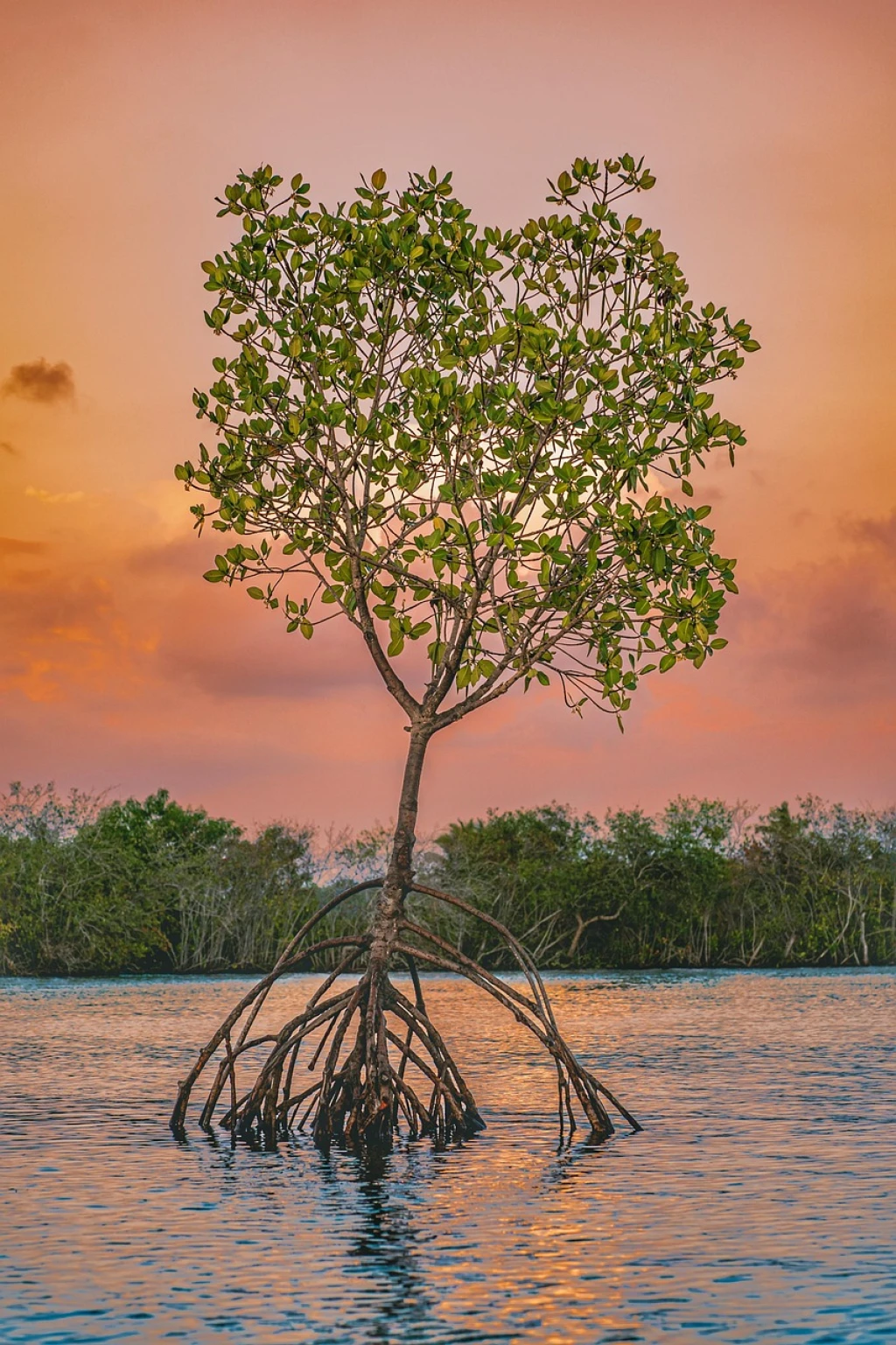
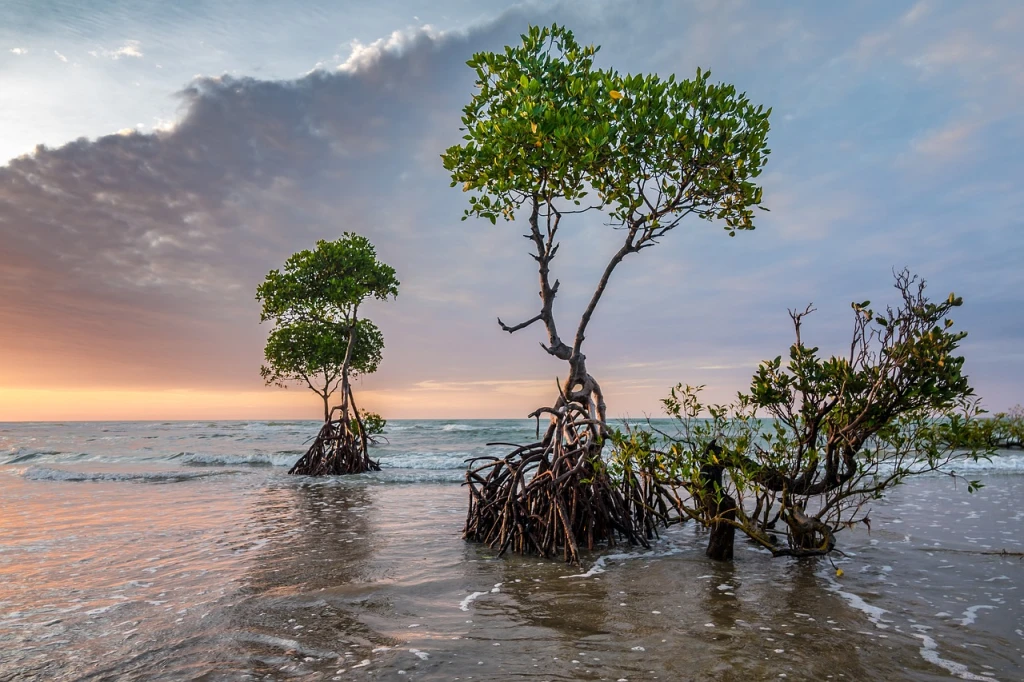
Evertreen’s reforestation project in West Papua aims to combat the loss of mangrove and tropical forest ecosystems. To date, we have successfully planted a variety of tree species, including the Oriental Mangrove (Bruguiera sexangula), Indian Mangrove (Rhizophora apiculata), and Large-Stilt Mangrove (Rhizophora stylosa), with the support of local communities and governments. Our project focuses on restoring these ecosystems to support biodiversity, enhance food security, and improve the livelihoods of local farmers and fishers.
Community Involvement
Local communities are at the heart of our reforestation efforts. We provide training and financial support to help community members collect propagules and strategically plant trees in both coastal mangrove areas and degraded tropical forests. By involving the local population, we not only create job opportunities but also educate them about sustainable practices, fostering a sense of ownership and stewardship for the newly planted ecosystems.
Planting Sites
Sumatra Planting Site
Coordinates: -1.066901, 136.341397
Site Description: Sumatra is a crucial area for mangrove restoration, surrounded by diverse marine life and ecosystems. This region has suffered from deforestation due to agriculture and illegal logging, impacting local fish populations and community livelihoods.
Reforestation Efforts: Our project focuses on restoring mangrove forests by planting species such as the Oriental Mangrove, known for preventing coastal erosion and enhancing water filtration. By restoring these vital ecosystems, we aim to support local fisheries and improve food security for the communities that depend on these resources.
Coastal Restoration Areas
In addition to Sumatra, our project extends to various coastal regions where we work to restore mangrove ecosystems. These areas are vital for maintaining healthy coastlines and supporting local fisheries. By replanting mangroves, we aim to mitigate the effects of climate change while providing sustainable sources of income and food for local communities.
Long-Term Impact and Sustainability
Economic Benefits
Evertreen’s reforestation efforts in Indonesia not only focus on environmental restoration but also provide economic benefits to local communities. By creating jobs and fostering sustainable practices, we help lift communities out of poverty. The skills and knowledge gained through involvement in our projects will have long-term benefits, enabling community members to engage in responsible land management.
Environmental Benefits
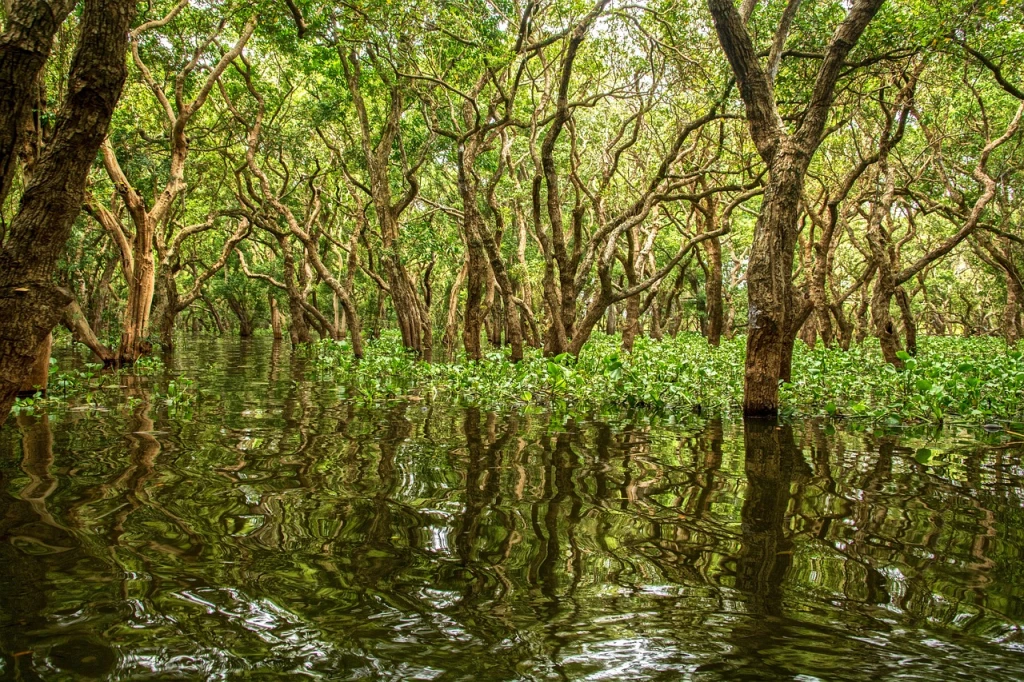
Restoring mangrove ecosystems has numerous environmental advantages. Mangroves serve as natural barriers against storm surges and coastal erosion, protecting inland areas from extreme weather events. They also play a critical role in carbon sequestration, contributing to climate change mitigation. Furthermore, our reforestation efforts help regulate water cycles, stabilize soils, and provide habitats for diverse species, enhancing ecosystem health.
Challenges and Overcoming Obstacles
The project has faced several challenges, including logistical difficulties in accessing remote areas, initial resistance from some local communities, and environmental challenges such as unpredictable weather. We address these obstacles through continuous engagement with community members, education programs, and adaptive management strategies, allowing for flexibility in project implementation.
Educational Programs and Awareness Campaigns
Education is a cornerstone of our reforestation project. Evertreen conducts educational programs to raise awareness about the importance of conservation and sustainable practices. We target various groups, including school children, local farmers, and community leaders. By fostering a deeper understanding of environmental issues and the benefits of reforestation, we cultivate a culture of conservation that supports our future efforts.
Future Plans and Goals
Evertreen has ambitious plans for the future. We aim to expand our reforestation efforts across Indonesia, increasing the number of trees planted and enhancing biodiversity. Future goals include integrating advanced technologies for monitoring and managing reforestation sites, establishing additional partnerships with local and international organizations, and developing more community-led initiatives to ensure the sustainability of our efforts.
Conclusion
Evertreen’s reforestation project in Indonesia demonstrates the power of collaboration in addressing deforestation and protecting vital ecosystems. By working alongside local communities, sponsors, and governments, we restore critical habitats while improving the livelihoods of those involved. The long-term benefits of these efforts extend from economic upliftment to environmental conservation. Want to get involved? Visit Evertreen and choose a reforestation project to support. Together, we can make a significant difference in the fight against deforestation.
Support this project
