🎯 Visit Evertreen’s website to explore how you can be part of this global movement and help combat the effects of the trade war on reforestation efforts. Together, we can make a lasting environmental impact!
How Trade Wars Impact Reforestation and Climate Solutions
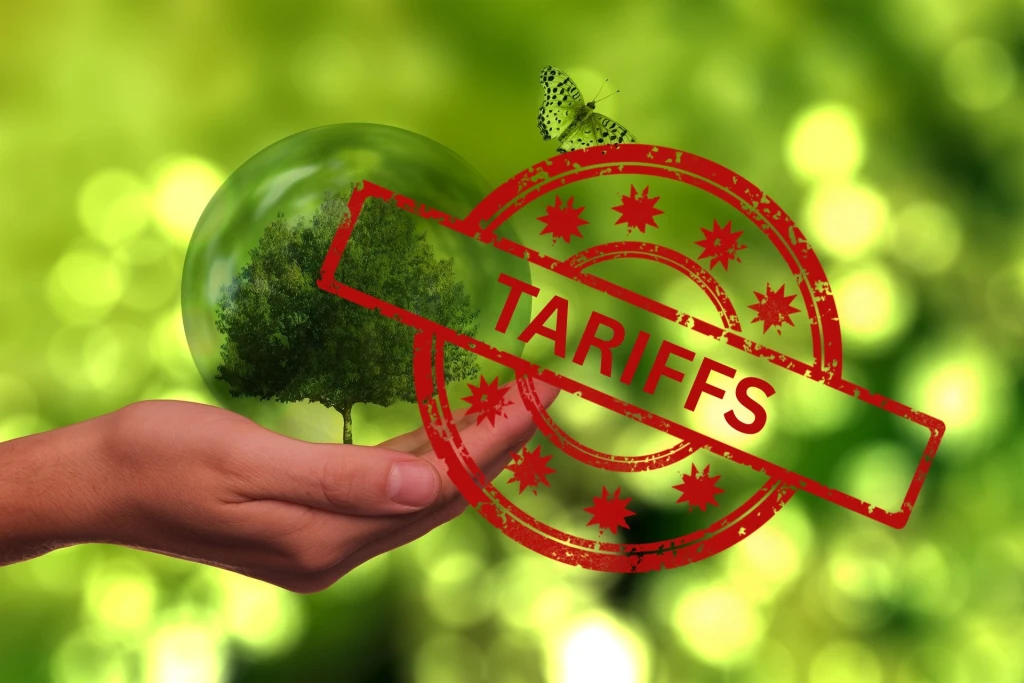
What do trees have to do with trade wars? More than you might think. As the U.S. considers steep new tariffs on Chinese electric vehicles and other green technologies, the ripple effects could reach far beyond factories and showrooms—right into the heart of our forests. 🌲
In this article, we’ll explore how escalating trade tensions could unintentionally sideline one of our most powerful tools in the fight against climate change: reforestation. You’ll learn how higher costs for clean energy may shift climate funding priorities, weaken international climate cooperation, and threaten the visibility of carbon sinks in global policy.
👉Let’s unpack how the evolving trade war could reshape the future of climate solutions—and what it will take to keep trees on the political agenda.
Tariffs Could Raise Clean Tech Costs
Trump’s proposed tariffs on Chinese electric vehicles (EVs), solar panels, and batteries could raise prices on products that have helped make clean energy more affordable in the U.S. These tariffs—framed as a push for economic independence—risk slowing down green transitions in multiple ways:
• Clean energy projects could face higher development costs, making them less competitive.
• Consumers may delay the switch to EVs or solar power due to increased upfront expenses.
• More of the climate budget could go toward energy infrastructure, leaving fewer resources for reforestation and other nature-based solutions.
In short, higher clean tech costs don’t just delay energy progress—they squeeze out lower-profile solutions that are vital to long-term climate resilience.
🌲 Reforestation May Get Sidelined
While trees don’t generate headlines like electric cars do, they quietly serve as powerful carbon sinks—natural systems that absorb and store carbon dioxide. But unlike energy and manufacturing sectors, reforestation doesn’t offer immediate economic returns, making it politically vulnerable.
If tariffs lead to rising energy costs and industrial pressure:
• Governments may prioritize job-creating sectors like EV manufacturing.
• Reforestation, especially international or cross-border efforts, could be viewed as lower priority.
• Projects not clearly tied to domestic interests may face funding cuts or delays.
Without smart policy design, trees could become collateral damage in a global tech standoff.

🤝 Climate Cooperation Could Suffer
The consequences of a trade war go beyond economics—they affect trust. Tariffs on green imports could trigger retaliation, weaken international partnerships, and stall climate commitments made under the Paris Agreement and at COP summits.
For example:
• China, a global leader in green tech production, may scale back cooperation if targeted by U.S. tariffs.
• Joint reforestation programs or international funding initiatives could lose momentum.
• Technology-sharing agreements essential to global restoration efforts may dry up.
Environmental progress thrives on cooperation. A tariff-first strategy risks fragmenting that foundation.
👷 Reframing Reforestation as a Jobs Engine
If reforestation is to remain a core climate strategy, it must be seen not just as an environmental effort—but as an economic one. Fortunately, there’s a strong case to be made.
• Drone-based reforestation programs are creating high-tech green jobs.
• Local forest management initiatives support rural economies and long-term sustainability.
• Training workers for native species planting builds both ecological and human resilience.
👉By linking reforestation to domestic job creation, policymakers can turn trees into tools for both carbon capture and community development.
🌳 In Conclusion: Don't Let Trees Get Lost in the Trade War
As the U.S. weighs new tariffs on green technology, the ripple effects could reach well beyond economics—putting pressure on clean energy, stalling international climate cooperation, and sidelining critical solutions like reforestation. Without careful planning, we risk shrinking the space for carbon sinks in future climate policy.
To keep forests on the agenda, we must reframe them not just as environmental assets, but as engines for jobs, innovation, and resilience.
🌍 Learn more about how you can support reforestation and environmental sustainability at Evertreen.
🌱 Take Action with Evertreen
Join Evertreen in the fight against climate change by supporting reforestation projects worldwide. With every tree you plant, you contribute to carbon offsetting and help restore vital ecosystems.
Stay informed about the latest developments in sustainability, reforestation, and environmental efforts at Evertreen. Check out the news section for updates on innovative projects, success stories, and the impact of their global movement. Stay connected to the future of climate action! 🌍