

Ecosystem Restoration Projects in Washington
Supporting native habitat restoration and forest ecosystem monitoring in Washington State
Evertreen supports ecosystem restoration projects in the Washington State area that protect native habitats, improve biodiversity, and help restore healthy forests and natural ecosystems.
Evertreen supports these projects but does not directly manage or carry out the restoration work on the ground. The field activities are implemented and managed by local environmental organizations and restoration teams. Evertreen's role is to provide support for selected projects and help make their environmental impact accessible and transparent.
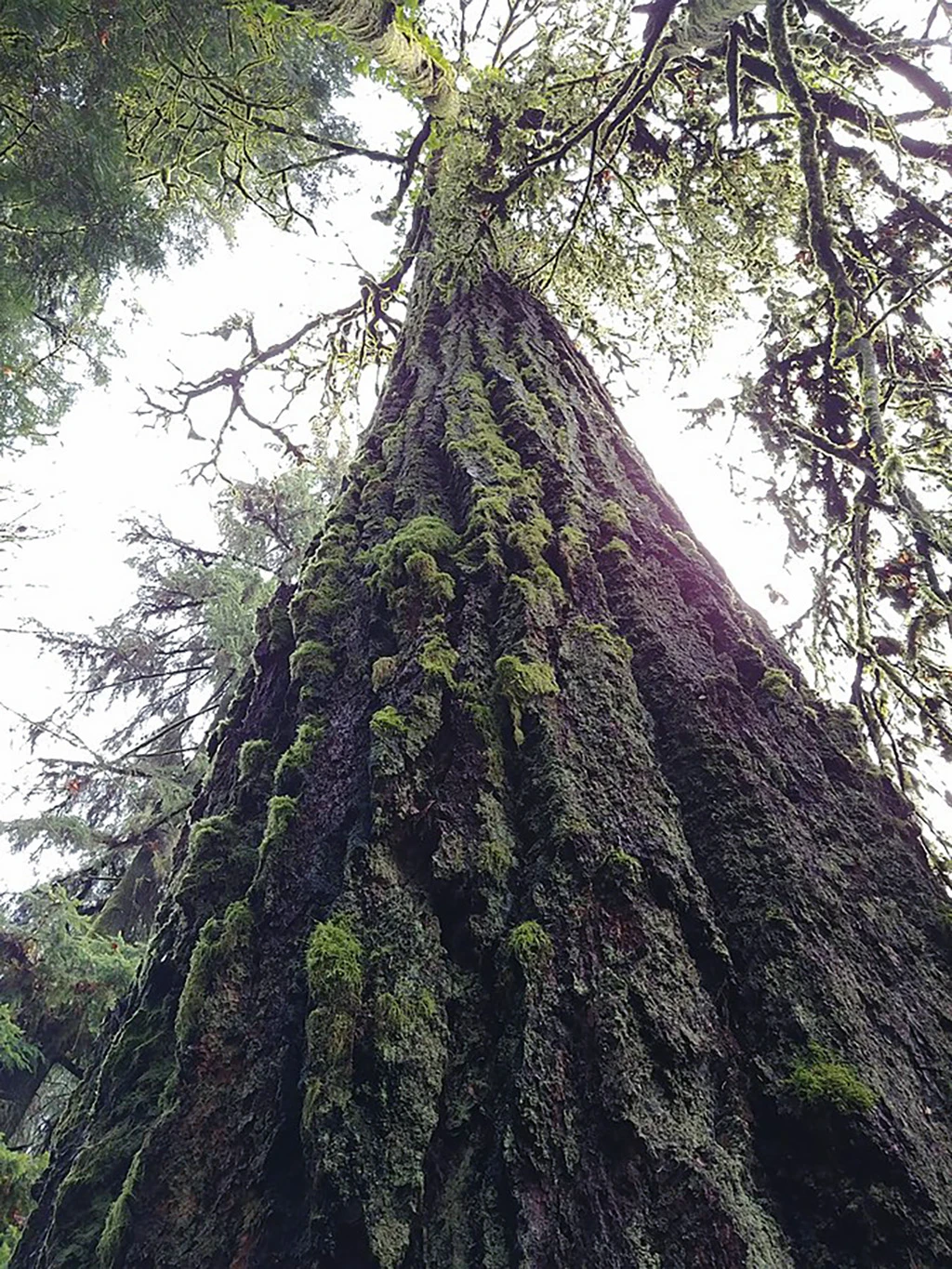
What Evertreen Supports in Washington
The Washington projects supported by Evertreen focus on practical, nature-based restoration activities, including:
- Restoring native forests and natural habitats
- Removing invasive plant species
- Planting native trees and shrubs
- Creating and improving habitat for pollinators and wildlife
- Monitoring forest health and ecosystem changes
- Improving soil and water conditions
- Supporting biodiversity and ecosystem resilience
These activities help restore ecosystems affected by invasive species, habitat degradation, human activity, and other environmental pressures.
Local Ecosystem Restoration Projects
Evertreen supports two local ecosystem restoration projects in the Washington area. Each project is implemented by a local organization with expertise in environmental restoration and field-based conservation.
Evertreen does not directly operate these projects. The respective local organizations are responsible for planning, managing, and carrying out the activities on the ground.
Native Habitat and Forest Restoration
One of the projects supported by Evertreen focuses on restoring native habitat through activities such as invasive species removal and the planting and protection of native trees and shrubs.
Invasive plants can compete with native vegetation, reduce habitat quality, and affect biodiversity. Restoring native plant communities can provide food and shelter for wildlife, improve soil stability, reduce erosion, and strengthen the resilience of local ecosystems.
The project also supports pollinator habitat through native flowering plants. These restored areas can provide food and shelter for bees, butterflies, moths, birds, and other wildlife.
EarthCorps is responsible for implementing and managing the field restoration activities for this project. Evertreen supports the project but does not directly manage or perform the restoration work.
Forest Monitoring and Ecosystem Health
The second project supported by Evertreen focuses on monitoring forest ecosystems and evaluating changes in forest health.
Forest monitoring can help identify challenges associated with invasive species, human activity, climate-related stress, and other environmental pressures. Consistent monitoring of native and invasive vegetation provides information that can help guide long-term ecosystem management and restoration.
The project contributes to a better understanding of forest conditions in the Washington area and supports informed approaches to protecting and restoring forest ecosystems.
The local project organization is responsible for implementing and managing the field monitoring activities. Evertreen supports the project but does not directly manage or conduct the fieldwork.
Evertreen's Role
Evertreen acts as a supporter of these Washington restoration projects, not their direct operator.
Evertreen helps direct support toward ecosystem restoration initiatives and provides a platform for communicating their environmental impact. The local project organizations remain responsible for the planning, management, implementation, and monitoring of activities on the ground.
This distinction is important: Evertreen supports the projects, while local restoration organizations implement and manage the field activities.
Why Ecosystem Restoration Matters
Healthy ecosystems provide important benefits for people, wildlife, and the environment. Native vegetation can support biodiversity, improve soil stability, reduce erosion, contribute to water retention, and provide food and habitat for wildlife.
Ecosystem restoration is particularly important where invasive species or habitat degradation have reduced the ability of native ecosystems to thrive. Restoring native plant communities and monitoring ecosystem health can help strengthen the resilience of forests and natural habitats over time.
By supporting local restoration projects, Evertreen contributes to practical, place-based conservation efforts while relying on local organizations to provide the expertise and field management needed to carry out the work.
Washington Ecosystem Restoration Projects — Frequently Asked Questions
Where does Evertreen support ecosystem restoration projects?
Evertreen supports ecosystem restoration projects in the Washington State area, including projects focused on native habitat restoration and forest ecosystem monitoring.
Does Evertreen directly manage these restoration projects?
No. Evertreen supports these projects but does not directly manage or conduct the field restoration work. The respective local project organizations are responsible for implementing and managing activities on the ground.
What types of restoration does Evertreen support in Washington?
Evertreen supports activities including native tree and shrub planting, invasive species removal, native habitat restoration, pollinator habitat creation, and forest monitoring.
Why does Evertreen support local restoration organizations?
Local restoration organizations have regional knowledge, trained field teams, and experience working with the ecosystems in their communities. Evertreen supports their projects while maintaining a clear distinction between its role as a project supporter and the organizations' role as project implementers.
Who carries out the restoration work?
The restoration and monitoring activities are carried out by the respective local project organizations. Evertreen provides support for the projects but does not directly perform or manage the fieldwork.
What is the goal of these Washington restoration projects?
The projects aim to improve ecosystem health, restore native habitats, support biodiversity, strengthen forest resilience, and create healthier natural environments for wildlife and communities.
What is the relationship between Evertreen and the local project organizations?
Evertreen supports selected local restoration projects. The local organizations remain responsible for project implementation and field management, while Evertreen's role is to provide support and communicate the projects' environmental impact.
Support this project
