

Reforestation in Colorado
Restoring Colorado's Mountain Forests for a Resilient Future
The Deforestation Crisis in Colorado's Rockies
Colorado is renowned for its breathtaking mountain landscapes, where vast stretches of pine, spruce, and aspen forests define the character of the Rocky Mountain West. Yet these extraordinary forests face an escalating crisis. A combination of prolonged drought, record-breaking wildfires, devastating bark beetle infestations, and decades of land use change have left millions of acres of Colorado's forestland degraded, burned, or dying. The consequences reach far beyond the treeline, threatening water supplies, wildlife habitat, rural economies, and the communities that depend on healthy forests to survive. Through targeted reforestation initiatives, meaningful steps are being taken to restore these damaged landscapes, protect Colorado's critical watersheds, and build lasting resilience for the ecosystems and people that call the Rockies home.
Land Degradation and Soil Loss
Wildfires, bark beetle outbreaks, and unsustainable land use have stripped vast areas of Colorado's mountain slopes of their tree cover, leaving soils exposed and highly vulnerable to erosion. Without the stabilizing root systems of mature trees, heavy summer thunderstorms and rapid spring snowmelt trigger landslides, wash away topsoil, and deliver damaging sediment loads into rivers and reservoirs that supply water to millions of Coloradans. This degradation weakens the natural productivity of mountain landscapes and accelerates the loss of soil organic matter that healthy forest regeneration depends on. Restoring tree cover is essential to stabilizing slopes, protecting water quality, and rebuilding the foundation for long-term forest recovery.
Climate Vulnerability
Colorado is on the front lines of climate change in the American West. Rising temperatures, shrinking snowpack, prolonged drought cycles, and increasingly intense wildfire seasons are transforming the state's mountain forests at an unprecedented pace. Degraded and fragmented forests are far less resilient in the face of these pressures, leaving landscapes locked in cycles of fire, erosion, and failed natural regeneration. Healthy forests regulate streamflow, moderate temperatures, store carbon, and reduce the intensity and spread of wildfires. Investing in reforestation is one of Colorado's most critical strategies for breaking these damaging cycles and building long-term ecological resilience.
Project Goals
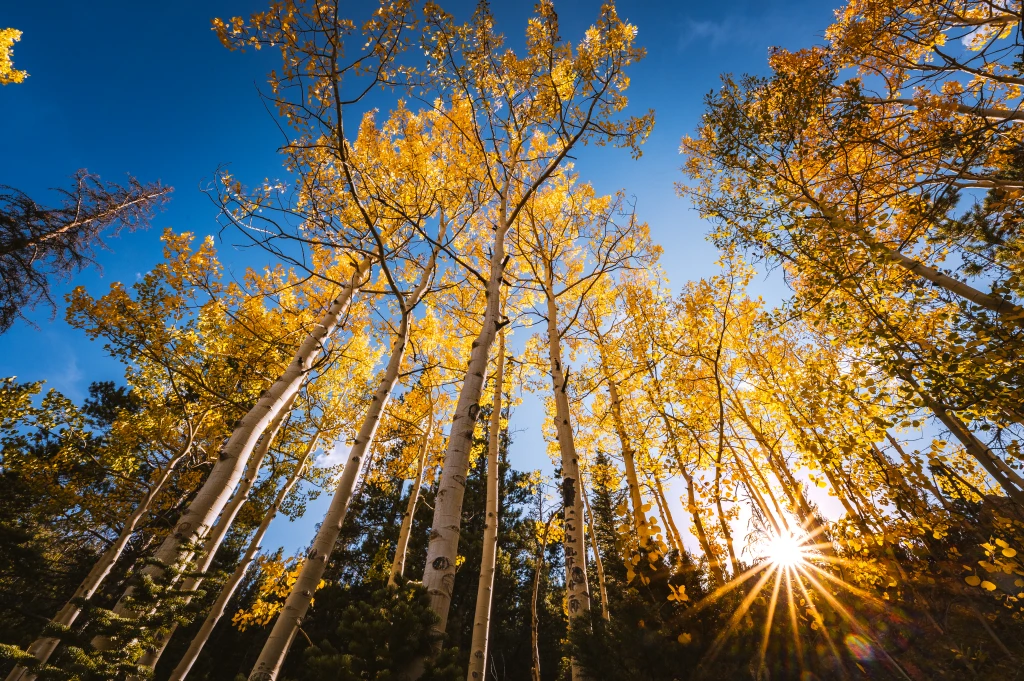
Evertreen focuses on restoring native forest cover across fire-affected, beetle-killed, and degraded land. The goal is not simply to replant trees, but to rebuild ecologically diverse, fire-adapted forests capable of withstanding the pressures of a warming climate and supporting the full range of species that depend on Colorado's mountain ecosystems. Species selection prioritizes natives well suited to southern Colorado's elevation gradients and climate conditions, including ponderosa pine, Engelmann spruce, subalpine fir, quaking aspen, and blue spruce — trees that form the ecological heart of Colorado's Rocky Mountain forests. Evertreen supports these efforts by connecting individuals and companies with active planting initiatives on the ground, directing resources toward areas where restoration can deliver the greatest environmental and community benefit.
By supporting this project through Everteen: together, we can help Colorado's forests grow back — taller, wilder, and more resilient than before.
Support this project
