

Restoration in Zimbabwe
The Kariba REDD+ Project in Zimbabwe is listed as Withdrawn on the Verra registry and is not offered for sale by Evertreen. This page is kept for reference.
On the southern shores of Lake Kariba, stretching across the provinces of Mashonaland West and Matabeleland North, an ambitious vision is taking root—one that protects the future of both people and the planet. Zimbabwe’s Kariba REDD+ Project stands as a powerful example of how forest conservation can serve not only as a climate solution, but also as a catalyst for sustainable development and social transformation.
Covering a vast corridor of dry forest and woodland that once stood vulnerable to unchecked deforestation, the Kariba REDD+ initiative is reversing decades of environmental degradation. These forests are part of the globally significant Zambezi Valley ecosystem, home to iconic species such as elephants, lions, and sable antelope, and vital to maintaining regional biodiversity and rainfall patterns. Yet rising poverty, land pressure, and unsustainable land use have long placed these ecosystems under strain.
Through a carefully designed, community-based approach, the project works to reduce emissions from deforestation and forest degradation while directly addressing the root causes of forest loss. Over the course of 30 years, the Kariba REDD+ Project is expected to prevent the release of approximately 196.5 million metric tons of CO₂, making it one of the largest forest conservation initiatives of its kind on the African continent.
This impact is made possible not by fences or restrictions, but by empowering the very communities who live within and around the forests. In areas where subsistence farming, fuelwood collection, and wildfire risks had once driven forest loss, the project introduces sustainable alternatives: improved agricultural practices, beekeeping, fire management, and fuelwood plantations. These initiatives offer new income opportunities and increase food security, reducing the pressure to clear trees for short-term survival.
A cornerstone of the Kariba project is its Community and Project Sustainability Fund, which ensures that the carbon revenue generated from the protection of these forests flows directly back into local development. This fund prioritizes health and education—investing in clinics, schools, and clean water access—as well as projects that support women, youth, and the most vulnerable members of society. It’s not just about conserving trees; it’s about enabling communities to thrive alongside the ecosystems they protect.
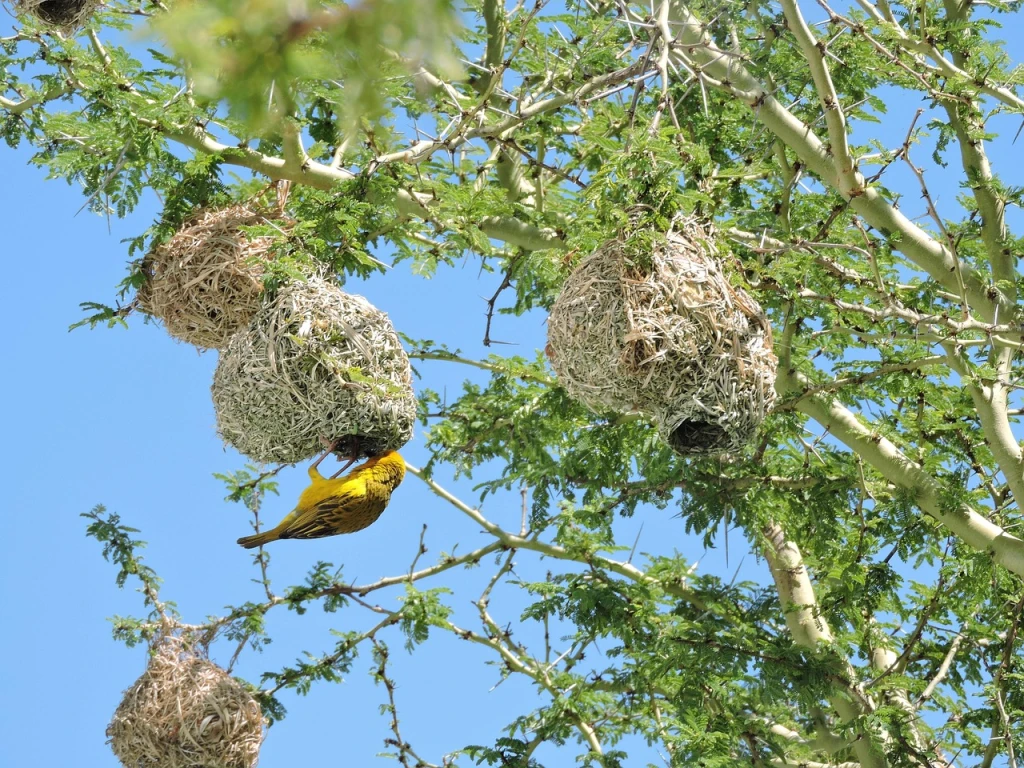
The Kariba REDD+ Project (VCS 902) is listed as Withdrawn on the Verra registry. Evertreen does not offer credits from this project. Within this framework, Evertreen acts solely as an intermediary, helping corporate and individual supporters fund restoration and planting efforts described on this page.
In the face of growing climate instability, land degradation, and biodiversity loss, the Kariba project was one of the best-known REDD+ projects in southern Africa. Its registry status is set out above.
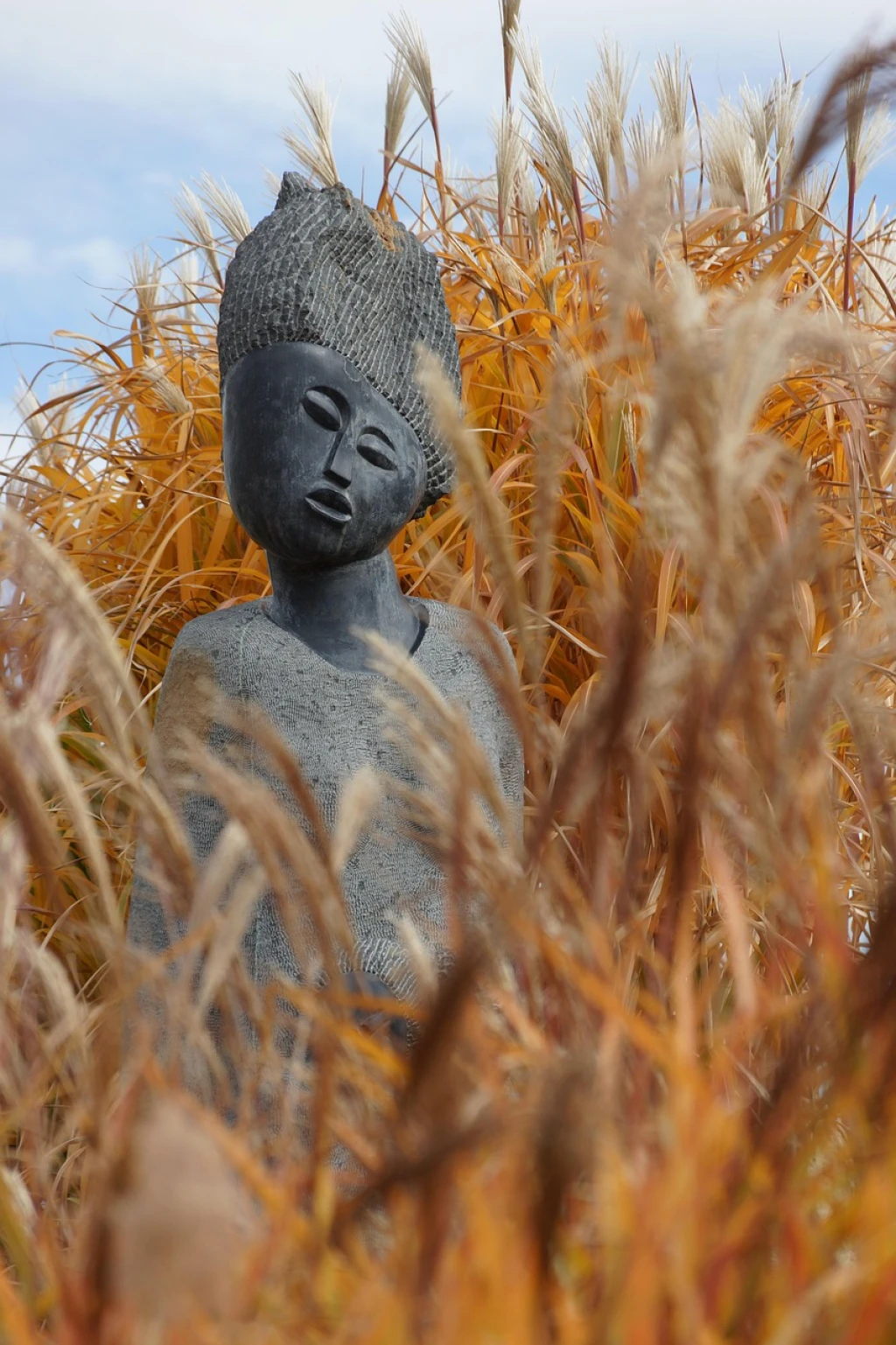
As Zimbabwe works toward a more sustainable future, the Kariba REDD+ initiative is not just conserving forests—it is redefining what forest conservation can achieve. Through collaboration, trust, and a shared commitment to resilience, the communities of Kariba are building a greener, stronger tomorrow—one rooted firmly in the soil they’ve known for generations.
Support this project
