

Restoration in USA Wisconsin
The Heart of Wisconsin’s Forests: Sustaining Nature and Climate
Sustaining Wisconsin’s Public Forests
Protecting vast woodland landscapes through responsible forest management and long-term environmental stewardship.
Project Overview
Across northern Wisconsin, an extensive forest conservation and sustainable management initiative is safeguarding some of the state’s most significant public forest landscapes. By bringing together multiple forest areas under a shared vision of long-term stewardship, the project supports healthy, resilient forests that continue to provide environmental, social, and economic value.
Wisconsin’s county forests have long been managed as working landscapes, supporting local economies while maintaining public access and ecological functions. Today, this initiative builds on that legacy by prioritizing forest health and long-term stability, ensuring that these woodlands can continue to thrive amid growing environmental pressures.
A Landscape of Public Forests
The project spans two major county forest areas in northern Wisconsin, located in Iron County and Bayfield County. Together, these publicly owned forests cover more than 316,000 acres, representing some of the largest and most ecologically important forested areas in the state.
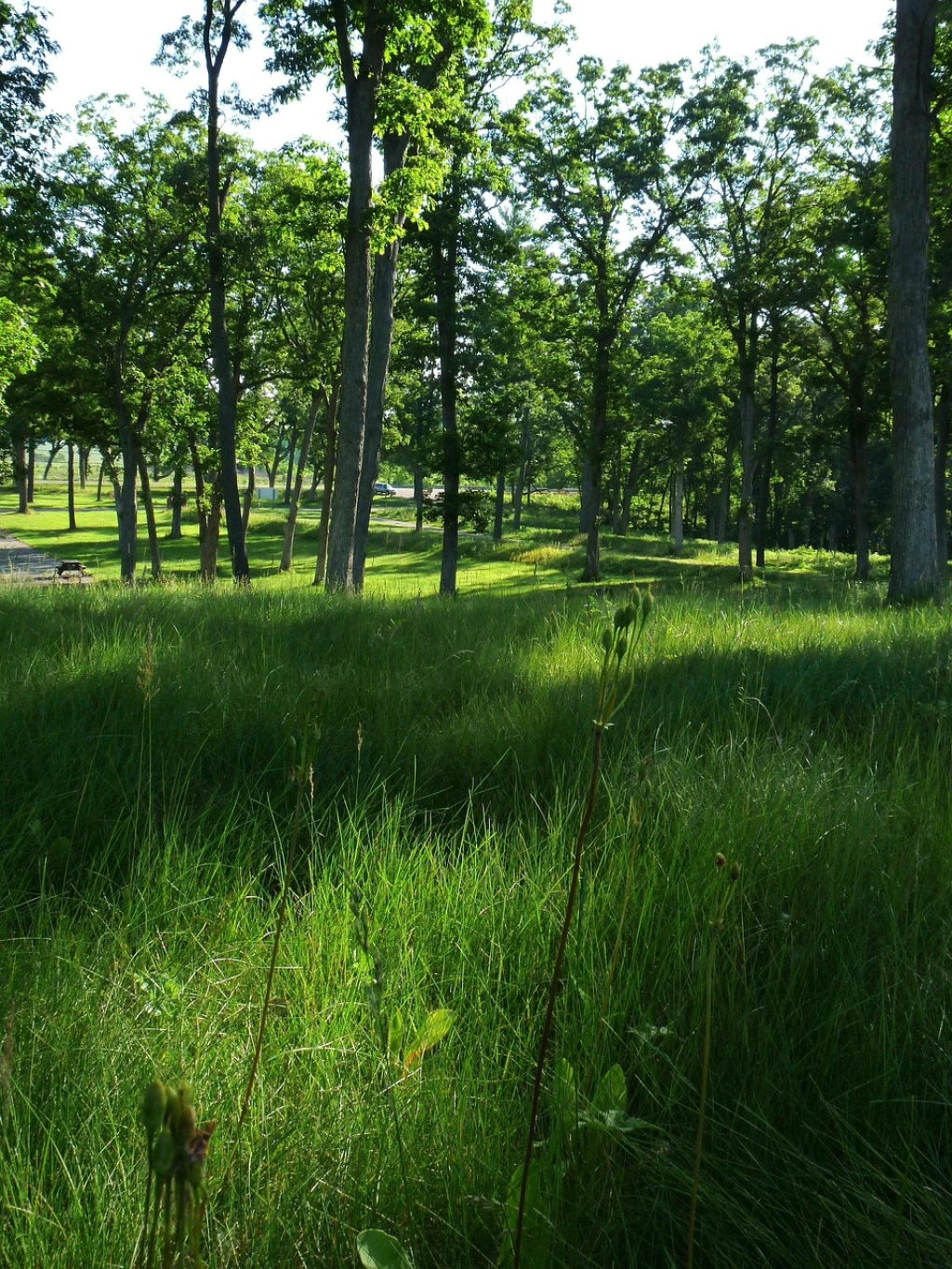
In Iron County, forest lands extend across 156,517 acres. These forests are managed with a focus on maintaining strong, continuous tree cover, allowing woodlands to mature and function as stable ecosystems. By avoiding intensive harvesting practices, forest managers support healthier forest structure, improved biodiversity, and long-term ecological balance.
Bayfield County: A Forward-Looking Approach
Complementing this effort, the project also includes 159,656 acres of county forest in Bayfield County, the third-largest expanse of county forest in Wisconsin. Since the establishment of the county forest system in 1927, these lands have supported commercial timber harvesting as a core component of local land management and economic activity.
Today, Bayfield County is adopting a more forward-looking approach that places greater emphasis on forest conservation and long-term environmental value. By reducing harvest levels below traditional thresholds, forest managers are allowing stands to grow denser and older, strengthening forest health while preserving the productive capacity of the land. This shift reflects a growing recognition of the importance of resilient forests in supporting both nature and communities.
Environmental and Community Benefits
Across both counties, maintaining strong forest cover delivers a wide range of benefits. Healthy forests help regulate water cycles, protect soils from erosion, and provide habitat for a diverse array of wildlife. Mature woodlands also enhance landscape connectivity, supporting ecosystem stability across northern Wisconsin.
Equally important, these forests remain public assets. They continue to offer recreational opportunities, cultural value, and sustainable economic benefits, reinforcing the connection between people and the land while ensuring responsible use for future generations.
Evertreen’s Role
This forest stewardship initiative is not managed directly by Evertreen. Instead, Evertreen acts as an intermediary, facilitating support for forest conservation and sustainable management efforts in Wisconsin. Through its platform, Evertreen enables individuals and organizations to contribute to the protection and long-term care of public forest landscapes.
A Long-Term Commitment to Forest Stewardship
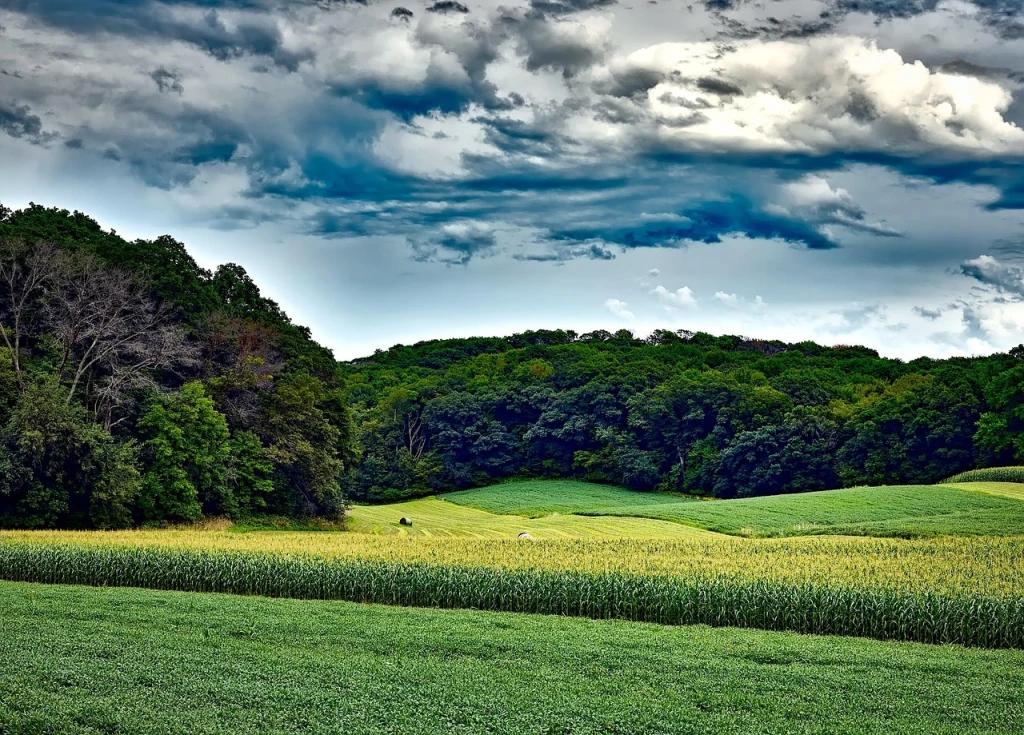
Together, the forests of Iron County and Bayfield County represent a powerful model of responsible land management. By balancing conservation with sustainable use, this Wisconsin initiative demonstrates how public forests can remain productive, resilient, and ecologically valuable over time.
Through continued care and thoughtful management, these woodlands are being preserved not only as working forests, but as enduring natural landscapes—supporting biodiversity, communities, and environmental stability for generations to come.
Support this project
