

Double Bar IFM Project: Oregon
Discover how Evertreen helps keep 26,510 acres of eastern Oregon forest standing for elk, wild salmon, and the family who chose protection.
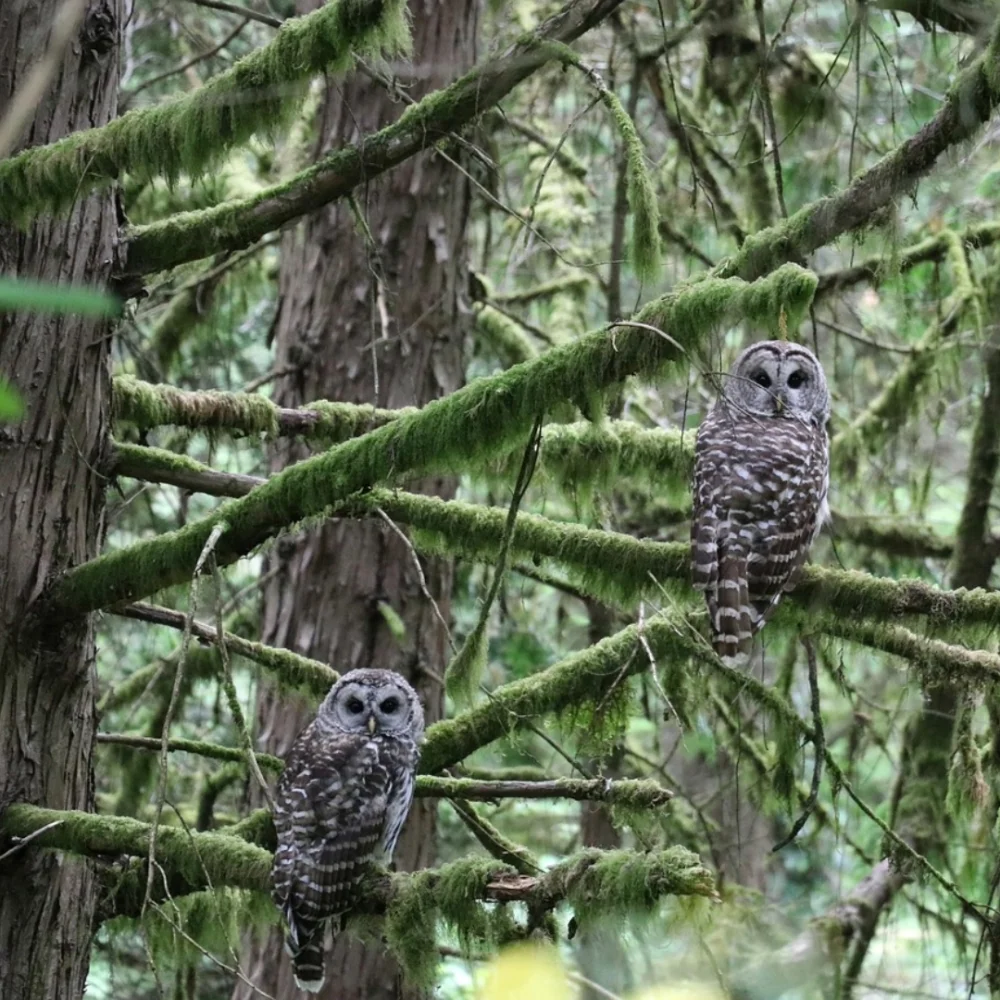
Double Bar IFM Project: Forest Protection in Eastern Oregon
Wheeler County, eastern Oregon
Protecting 26,510 acres of family-owned eastern Oregon forest from commercial timber harvest, safeguarding habitat for elk and deer while keeping verified carbon locked in standing trees for 40 years.
Protect forest in Oregon, USA and support this project through Evertreen.
At a Glance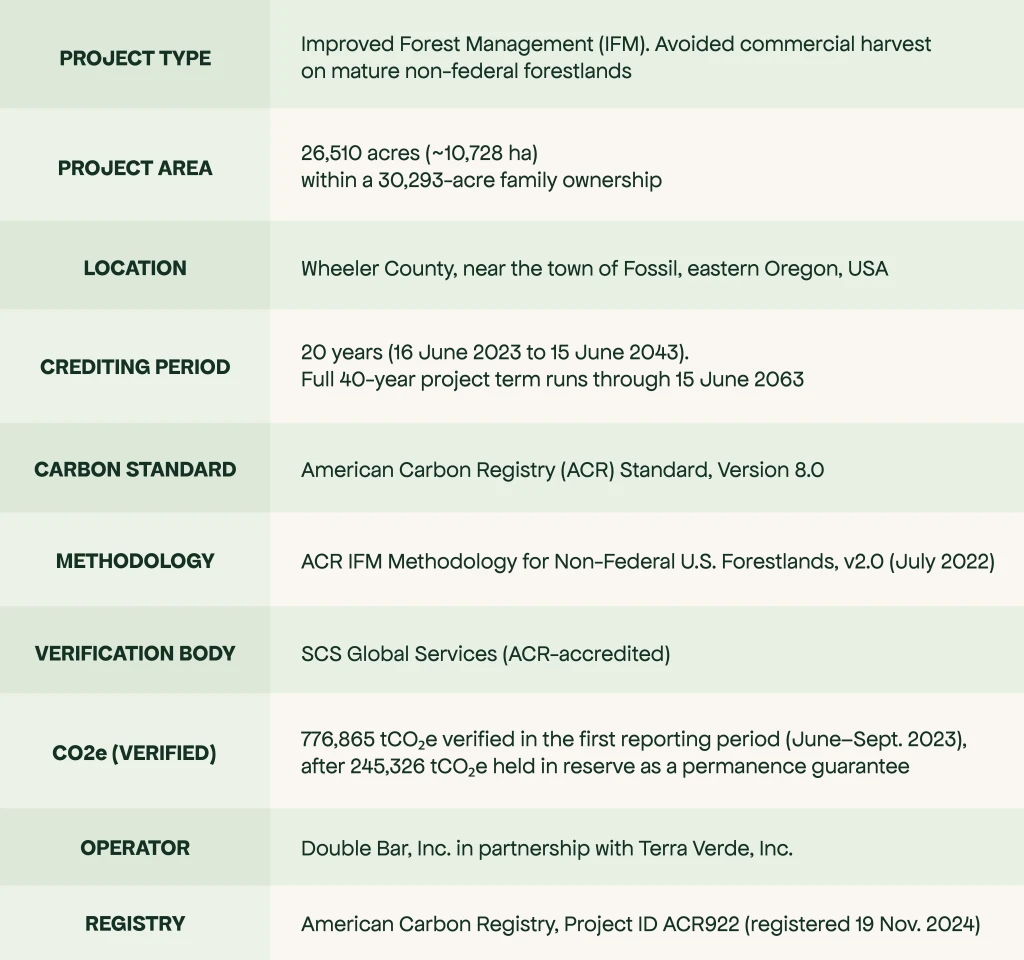
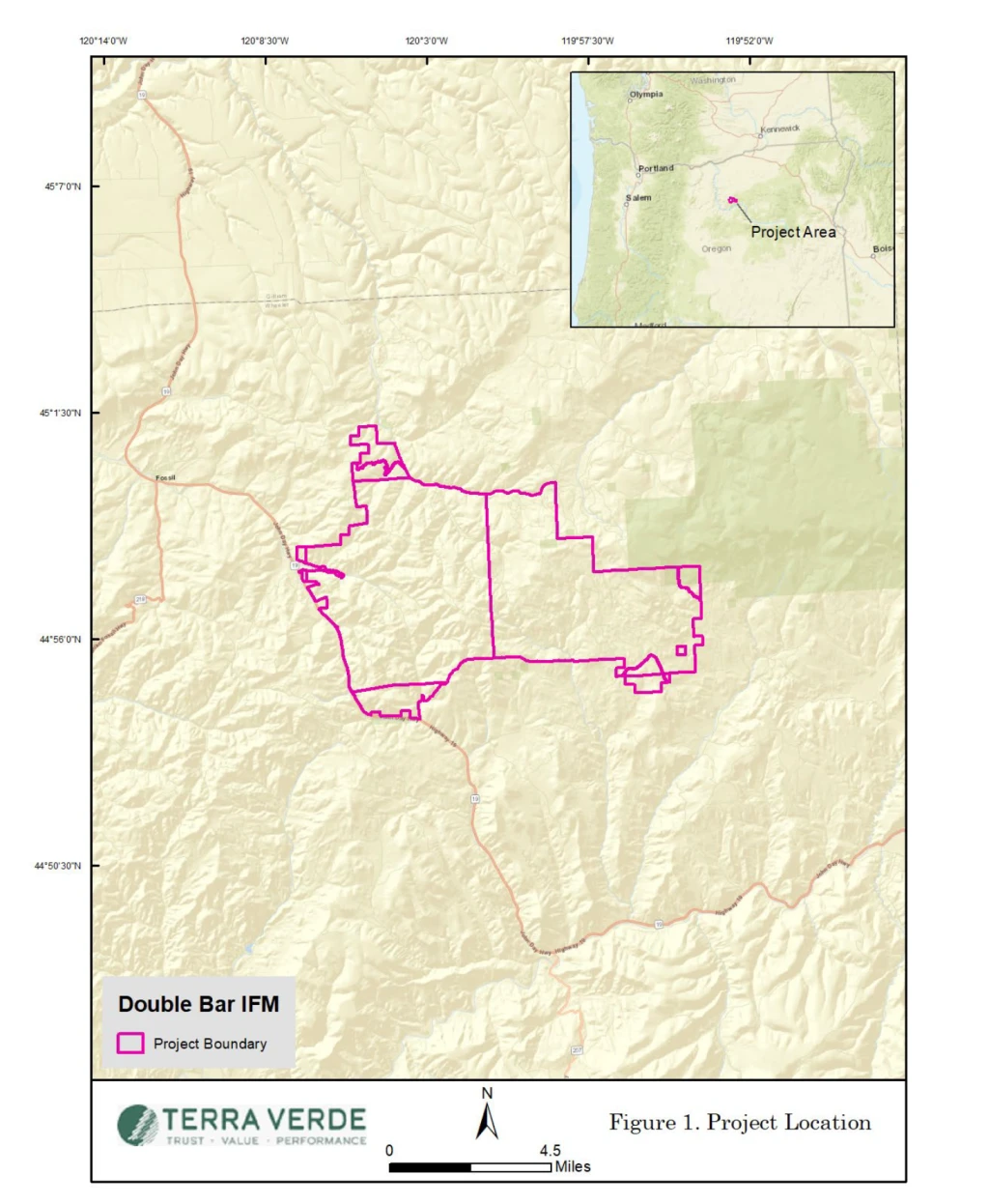
Project: Double Bar IFM Project (ACR922)
Location: Wheeler County, near the town of Fossil, eastern Oregon, USA
Project area: 26,510 acres of mature working forest (approximately 10,728 hectares) within a 30,293-acre family ownership
Operator: Double Bar, Inc. (landowner) in partnership with Terra Verde, Inc. (project developer)
Certification: American Carbon Registry Standard v8.0, registered 19 November 2024
Methodology: ACR IFM Methodology for Non-Federal U.S. Forestlands, v2.0 (July 2022)
Verifier: SCS Global Services, ACR-accredited validation and verification body (issued 15 November 2024)
Verified emission reductions (RP1, June to September 2023): 1,022,191 tCO₂e total → 776,865 net tCO₂e after 24% buffer pool contribution
Estimated reductions across the 20-year crediting period: 1,506,111 tCO₂e before buffer contribution
Tree species protected: Douglas fir, ponderosa pine, western larch, oak
Crediting period: 20 years (16 June 2023 to 15 June 2043). Full 40-year project term runs through 15 June 2063.
What This Forest Is Up Against
In 2021, the Paul family received state approval to commercially log 4,000 acres of their ranch. Loggers and mills were ready to bid at the Camp Creek and Winlock sections. The permits were valid. The price was right. The family walked away. They enrolled the entire 26,510-acre project area on the American Carbon Registry instead, and signed a 40-year commitment to keep the forest standing. Evertreen connects you to the people who made that decision.
Wheeler County sits in the heart of Oregon's industrial timber country. The mills of the Blue Mountains and Central Oregon regions can absorb 357 million board feet of wood a year, and private forestland owners across eastern Oregon have historically managed their land for that demand. The Double Bar property itself was heavily logged through the late 1990s. Multiple timber cruises were completed across the property over the last seven years. Outside the project boundary, the pattern continues. Clearcut, replant, wait, cut again.
The baseline that the project's auditors modeled is not speculative. It is a mix of clearcut, overstory removal, and thinning, the most-profitable strategy for a private industrial forestland owner in eastern Oregon. This pattern is common practice across the region and legally permissible under the Oregon Forest Practices Act. Fire amplifies the stakes. Eastern Oregon sits in a high fire-risk zone, and the project's auditors assigned it their highest fire-risk category. A multi-canopy, moist, continuous forest holds up better against wildfire than a clearcut and replanted one. Keeping this forest standing is a watershed, wildlife, and fire mitigation decision at the same time.
What the Project Does
When you protect trees in Oregon, USA through Evertreen, your contribution supports three areas of work.
Deferred harvest on 26,510 acres of mature forest
No commercial timber harvest takes place on the project area for the full 40-year term. The only cutting permitted is small-scale fuel reduction work, removing understory fuels that intensify wildfire without touching the carbon-storing overstory. This single decision generates the credit volume. Not a new forest being planted, but a mature forest being kept standing. The project area covers 26,510 acres of mature Douglas fir, ponderosa pine, western larch, and oak across two stand types: dense conifer-hardwood canopy across 17,602 acres and sparser canopy across 8,908 acres.
Active habitat management for wildlife
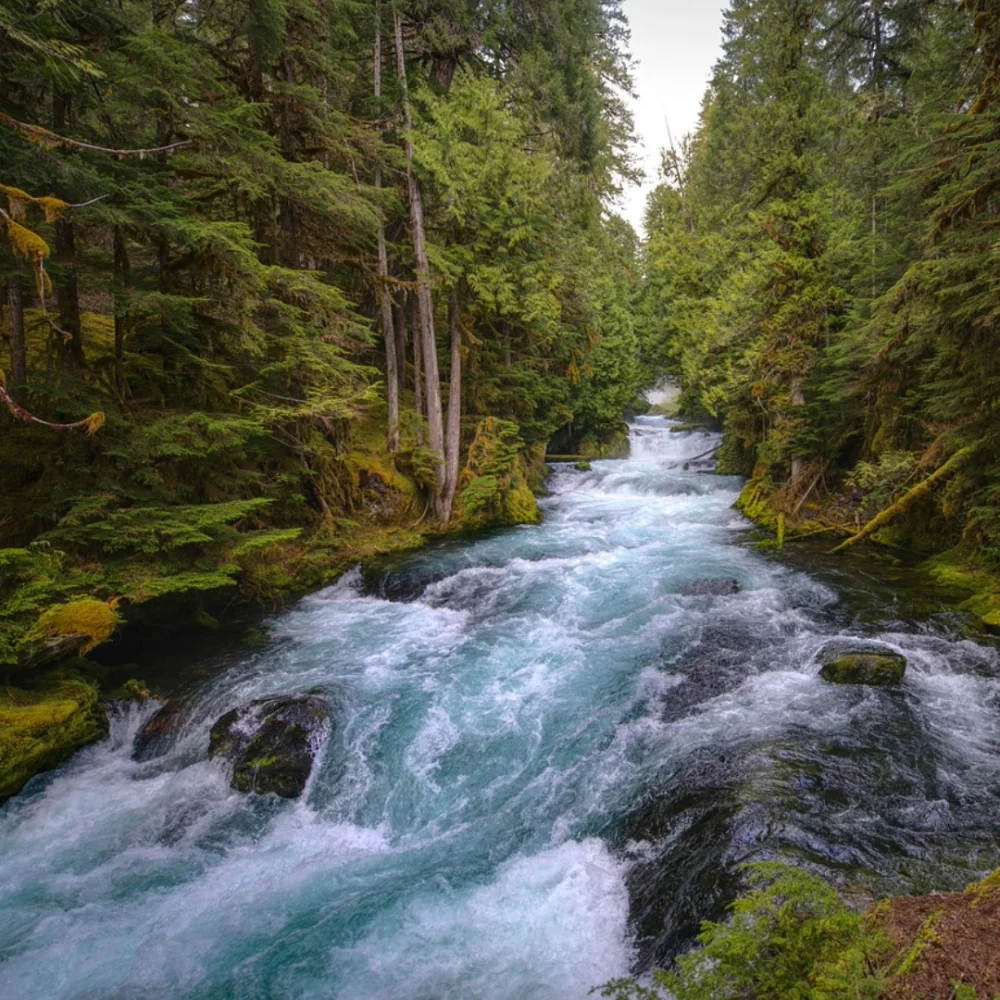
The project is actively managed to maintain and enhance wildlife habitat. That means deliberate retention of snags, the standing dead trees that cavity-nesting birds and small mammals depend on, and recruitment of coarse woody debris on the forest floor that supports invertebrate and amphibian communities. Because no commercial machinery operates inside the project area, the riparian buffers around the property's fish-bearing streams stay undisturbed. The property contains streams classified as fish-bearing under Oregon Department of Forestry records, including Thirty Creek and Buckhorn Creek along the northern boundary. Surrounding rural neighbours retain recreational access to the property under a stakeholder commitment recorded in the project's environmental and social impact assessment.
A 40-year legal commitment with a permanence guarantee
Registration on the American Carbon Registry is not a handshake. The landowner has signed a Reversal Risk Mitigation Agreement with ACR and Winrock International. 24% of every credit the project earns, 245,326 tCO₂e from the first reporting period alone, is set aside in the ACR buffer pool to cover the permanence risks the auditors identified, including fire and disease. If the forest is ever lost to a reversal event, the buffer pool compensates for it. The commitment runs through 15 June 2063.
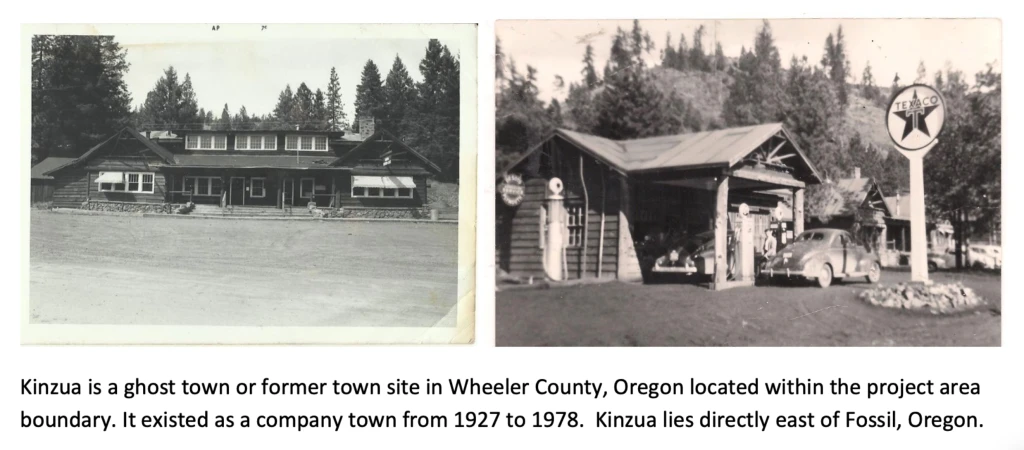
Real Numbers, Real People
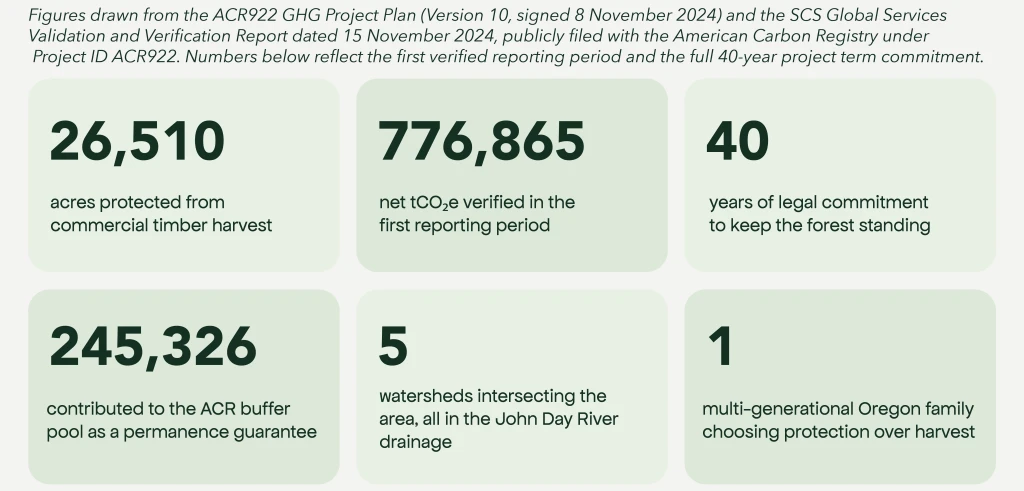
In the first reporting period and across the full project term, the Double Bar IFM Project delivers:
- 26,510 acres of mature forest protected from commercial timber harvest
- 776,865 tCO₂e net verified emission reductions in the first reporting period (June to September 2023)
- 245,326 tCO₂e held in the ACR buffer pool as a permanence guarantee
- 40 years of legally binding commitment to keep the forest standing
- 5 watersheds intersecting the property, all in the John Day River drainage
- 150 permanent inventory plots used to measure carbon stocks across the project area
Beyond the numbers: in 2021, the Paul family received a state-approved permit to commercially log 4,000 acres at the Camp Creek and Winlock sections of the ranch, but chose forest protection over harvest revenue. Their stated reason, on the record in the project's registered plan, is to keep the property in the family with a healthy forest for generations to come while maintaining the large herds of elk and deer that use it. The project commits 24% of every credit it earns to a shared permanence reserve, signed a Reversal Risk Mitigation Agreement with Winrock International to formalize that guarantee, retains rural neighbours' recreational access to the forest, manages active snag retention and coarse woody debris recruitment for wildlife habitat, and submitted itself to a full validation and verification audit by SCS Global Services with all findings closed before registration.
A Globally Significant Refuge
The Double Bar property sits in the Blue Mountains ecoregion of eastern Oregon, within the John Day River drainage basin. The John Day is the longest undammed tributary of the Columbia River and one of the last major Pacific Northwest rivers with wild, self-sustaining runs of summer steelhead and spring Chinook salmon, both listed under the federal Endangered Species Act. The project's fish-bearing streams feed directly into that river system, and harvest-driven sediment that would degrade salmon-rearing habitat is kept out by keeping the forest standing.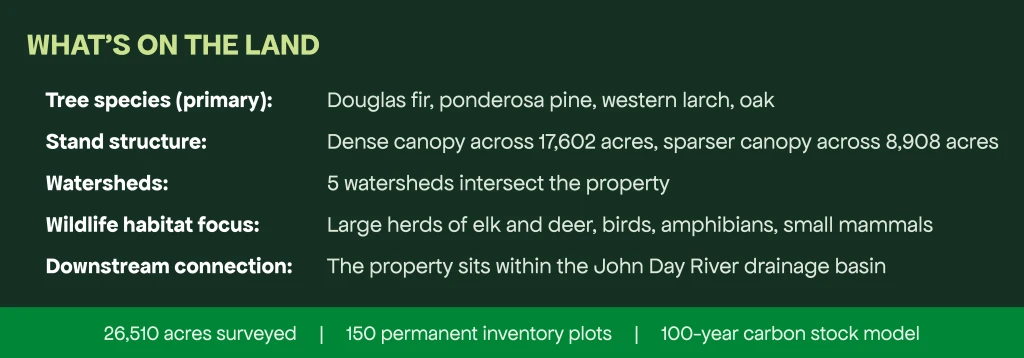
The eastern Oregon mixed-conifer forest is a defining habitat type of the Blue Mountains Important Bird Area, which Audubon identifies as one of the most significant bird habitats in Oregon. Above the forest floor, the snags this project protects support woodpeckers, nuthatches, small owls, and the secondary cavity-nesters that use woodpecker-excavated cavities. On the ground, the property supports large herds of elk and deer, which the family is explicitly committed to maintaining as part of the project's long-term management plan. The 17,602-acre dense conifer-hardwood canopy provides the kind of structural diversity that large mammals and migratory birds depend on, while the 8,908-acre sparser canopy supports edge species and understory communities. Two stand types working together create a forest mosaic that a clearcut-and-replanted industrial regime would flatten.
The project is governed by the federal Endangered Species Act, the federal Clean Water Act, and the Oregon Forest Practices Act. Inventory data is verified across 150 permanent sample plots, with carbon stocks calculated using the U.S. Forest Service's Forest Vegetation Simulator and modelled across a 100-year horizon.
How the Carbon Numbers Work
The methodology compares two scenarios. The baseline models what would have happened on the land without the project, the harvest regime that maximizes return for a private industrial forestland owner in eastern Oregon, modelled at a 6% net present value discount rate. The project scenario tracks what actually happened on the land. A forest inventory was conducted on 150 permanent sample plots across the 26,510-acre project area, carbon stocks were calculated using the US Forest Service's Forest Vegetation Simulator, and project forest cover was measured against the baseline projection.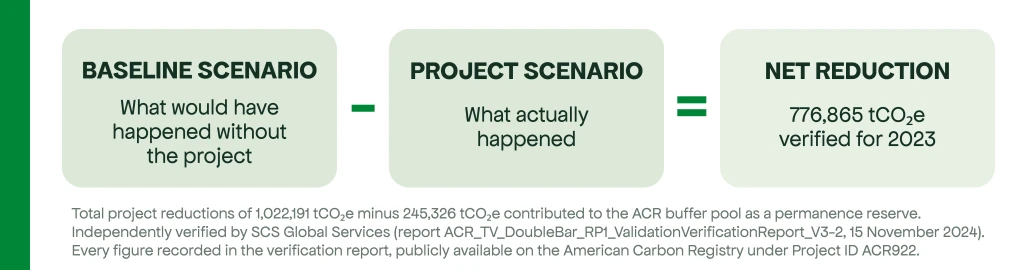 For the first reporting period of 16 June 2023 to 30 September 2023, total project GHG reductions and removals came to 1,022,191 tCO₂e after a 30% market leakage deduction required by the methodology. A 24% risk-adjusted contribution of 245,326 tCO₂e went into the ACR buffer pool, a shared reserve that compensates for future permanence losses. The net verified, issuable volume was 776,865 tCO₂e. SCS's independent recalculation came within 0.56% of the proponent's figures, well below the standard materiality thresholds for ISO-aligned verification. The estimated total across the full 20-year first crediting period is 1,506,111 tCO₂e before the buffer contribution. Annual volumes after the first year settle into the 21,000 to 29,000 tCO₂e range, reflecting the fact that the largest single credit batch comes at the start of the project, when the gap between baseline harvest and standing forest is widest. For the most current issuance and retirement data, check the American Carbon Registry directly.
Independently Verified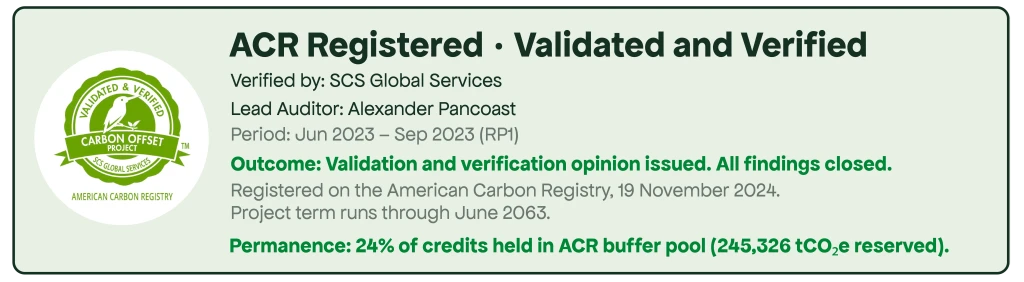
Evertreen selects projects that meet independent verification standards. The Double Bar IFM Project has been independently validated and verified by SCS Global Services, an ACR-accredited validation and verification body, against the standards of the American Carbon Registry. The verification report, covering the first reporting period from 16 June 2023 to 30 September 2023, was issued on 15 November 2024 by lead auditor Alexander Pancoast and approved by internal reviewer Alexa Dugan.
The verification was concluded with all findings closed during the audit cycle. The project was registered on the American Carbon Registry on 19 November 2024 under Project ID ACR922, with 776,865 net tCO₂e generated in the first reporting period and 245,326 tCO₂e contributed to the buffer pool as a permanence guarantee.
Every acre protected helps keep 26,510 acres of eastern Oregon forest standing. The Paul family's 40-year commitment remains in place. The fish-bearing streams keep running clean into the John Day. The elk and deer keep moving through the canopy. Help keep them where they belong, in the forest.
Protect trees in Oregon, USA through Evertreen.
Frequently Asked Questions
Can I support forest protection in Oregon through Evertreen?
Yes. Evertreen offers forest protection in Oregon, USA. Your contribution supports the Double Bar IFM Project, an American Carbon Registry-registered improved forest management project that protects 26,510 acres of mature Douglas fir, ponderosa pine, western larch, and oak forest in Wheeler County, eastern Oregon, from commercial timber harvest for 40 years.
How does Evertreen verify its projects?
Evertreen selects projects that are backed by independent third-party verification. For this project, all data on this page comes from audited validation and verification reports that are publicly available on the American Carbon Registry under Project ID ACR922. Evertreen does not own or operate the projects directly. We act as the platform that connects you to certified conservation work.
Are trees planted here, or is it forest protection?
This is a forest protection project, not a tree planting one. The 26,510 acres of Douglas fir, ponderosa pine, western larch, and oak forest have been growing on this property for decades. Your contribution funds verified avoided timber harvest, keeping standing trees standing, not the planting of new ones.
Can I gift trees linked to this project?
Yes. Evertreen offers digital gift certificates for conservation contributions in the United States and 35+ other countries. It is a meaningful, lasting gift that supports real conservation.
Who owns the project?
The Double Bar property is owned by Double Bar, Inc., a multi-generational family ranching and forestland operation with roots in Wheeler County dating to 1994. The carbon project is developed and operated in partnership with Terra Verde, Inc., a forest and natural resource management consultancy active across the Pacific Northwest. Evertreen does not own or operate the project.
Is Evertreen a good option for corporate ESG and CSR reporting?
Yes. The project holds American Carbon Registry registration with independent third-party verification by SCS Global Services, widely recognised for corporate sustainability reporting. Evertreen provides tracking, reporting tools, and a public impact page for your company.
Have more questions about how Evertreen works? Visit our FAQ.
Reviewed by Evertreen. Last updated: May 2026.
Sources: ACR922 Double Bar GHG Project Plan, Version 10 (signed 8 November 2024); SCS Global Services Validation and Verification Report, ACR_TV_DoubleBar_RP1_ValidationVerificationReport_V3-2, dated 15 November 2024; Appendix E, ACR922 Double Bar IFM Environmental and Social Impact Report (ACR template Version 1.0, July 2023); American Carbon Registry Project ID ACR922 (registered 19 November 2024). Regional context on the John Day River draws on publicly available information from the U.S. Bureau of Land Management. CO₂e figures reported as verified relate to the 16 June to 30 September 2023 first reporting period. The Double Bar IFM Project is operated by Double Bar, Inc. and Terra Verde, Inc. Evertreen enables you to support this certified project. Evertreen does not own or operate the project directly.
