

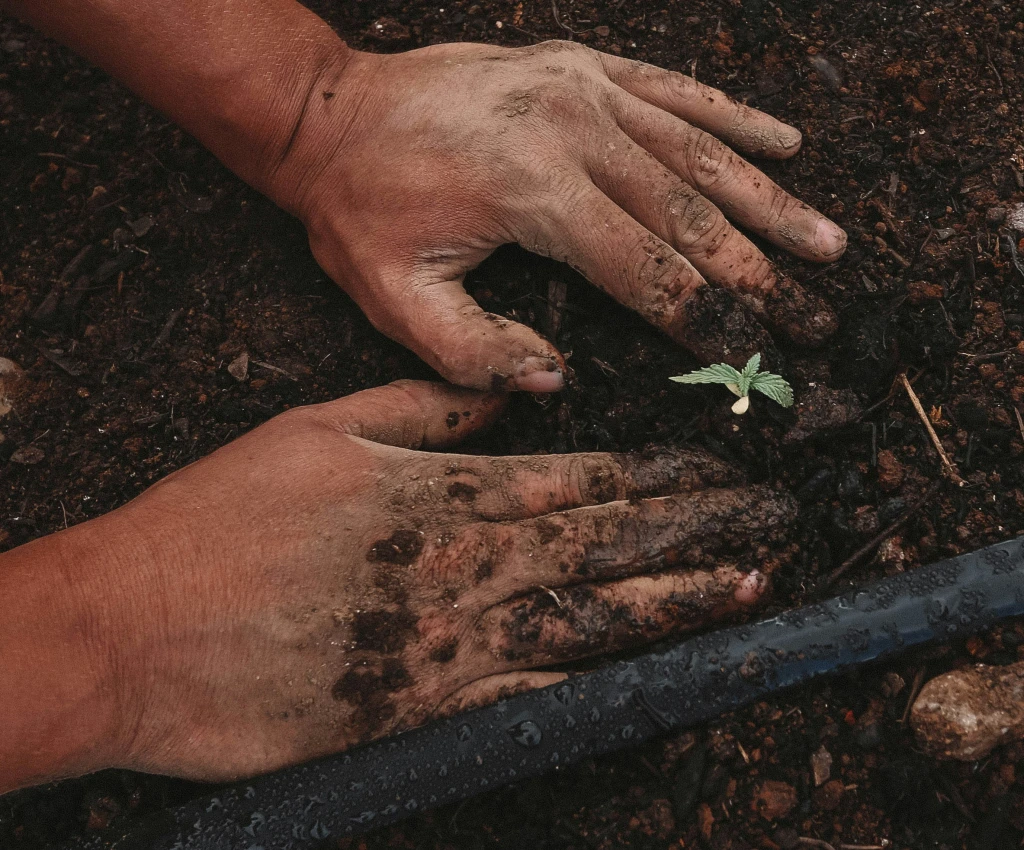
Reforestation vs Afforestation: What's the Difference?
Reforestation replants trees where a forest recently stood but was lost to logging, fire or clearing, whereas afforestation establishes forest on land that has had no forest in recent history. Both raise tree cover, yet they carry very different ecological stakes, and the right approach depends on what the land was before a single seedling goes in the ground. What each term actually means Reforestation. Re-establishing forest on land that carried forest until recently — restoring a degraded, burned or cleared site back towards the ecosystem it just lost. The reference point is known and recent. Afforestation. Planting forest on ground that has not been woodland in recent history, such as former pasture, open grassland, moorland or scrub. Here a new ecosystem is created, not restored. The timescale test. The practical line is whether forest existed on that spot within living memory; if it did, replanting is reforestation, if it did not, it is afforestation. Not just "greening". Both aim at functioning forest, not rows of a single fast-growing species — structure and native diversity matter more than raw tree count. Why the label matters. It signals ecological risk, not only method: more trees is not automatically more nature, and the wrong trees in the wrong place can set an ecosystem back. Where each one belongs The useful question is not which word is better but which land you are standing on: Reforestation fits recently logged or burned forest, cleared agricultural land that was forest a generation ago, degraded slopes losing soil, and fragmented woodland where new planting can reconnect existing patches. Afforestation fits genuinely degraded, non-natural land that will not recover unaided — abandoned industrial ground, severely eroded slopes, exhausted farmland with no seed source nearby. Neither fits intact natural grassland, savanna, peatland, wetland or heath. These are not "empty land waiting for trees"; they are functioning ecosystems with their own specialist species and, often, enormous soil carbon stores. The benefits — and the real risks Reforestation is usually the safer bet. It restores a habitat that local wildlife already depends on, rebuilds soil structure and water cycles, and reconnects fragmented patches of existing forest, so the ecological payoff is relatively predictable. Afforestation can add real value on genuinely degraded land that will not recover on its own — but planted in the wrong place it does harm. Dense tree cover on ancient grasslands, peatlands or wetlands can crowd out specialist plants and animals that need open habitat, and can even release carbon those soils had stored for centuries. You can see how we screen and document each site on our planting projects page, where location and land history feed into the decision. Which stores carbon more reliably? Context decides, but reforestation of a recently lost forest tends to lock away carbon more dependably. The climate, soils and native species are already suited to woodland, so the trees are likelier to survive to maturity and the existing soil carbon stays undisturbed. Afforestation can sequester carbon as well, yet only when the planting does not damage carbon-rich ground beneath it — peatland drained and ploughed for trees can emit far more CO₂ than the young forest will ever capture, turning a climate project into a net loss for years. Because these numbers hinge on assumptions, we publish ours openly; you can read exactly how we estimate tree CO₂ rather than trusting a single headline figure. The underlying biology is in how do trees absorb CO₂. The terms you will also meet Natural regeneration. Letting a site recover on its own by removing the pressure — grazing, fire, clearing — rather than planting. Often cheaper, often more biodiverse, and frequently the correct answer where a seed source survives nearby. Assisted natural regeneration. A middle path: protect the site, control invasives, and fill gaps with planting only where recovery stalls. Restoration. The broader goal that includes all of the above — returning ecological function, not simply raising a tree count. A serious project will tell you which of these it is doing and why. "We planted a million trees" answers none of those questions, which is precisely why the number gets quoted so often. How Evertreen chooses and tracks planting We focus on native-species, community-based planting on sites where trees genuinely belong, then show every project's location so you can follow it with field photos and updates instead of a vague promise that something, somewhere, was planted. Each of the trees you fund from £1.5 is tied to a real project in a known location and, wherever possible, to the restoration of a forest that was recently lost — keeping the emphasis on the right species in the right place, which is the single factor that most decides whether planting helps or harms. Frequently asked questions Is reforestation always better than afforestation? Not always, but it is usually the lower-risk option because it restores an ecosystem that recently existed. Afforestation is beneficial on genuinely degraded, non-natural land and harmful on intact grasslands, moorland or peat. Can afforestation damage the environment? Yes. Planting trees on natural grasslands, peatlands or wetlands can reduce biodiversity and release long-stored soil carbon, sometimes outweighing the carbon the new trees absorb over decades. Which removes more CO2 from the atmosphere? It depends on the site. Reforestation of recently lost forest is generally more reliable, while afforestation only delivers a net gain when it avoids disturbing carbon-rich soils. What is the difference between reforestation and natural regeneration? Reforestation actively plants trees; natural regeneration removes the pressure and lets the forest return by itself. Where a seed source survives, regeneration is often cheaper and more biodiverse. Does planting native species matter? Considerably. Native species support the local food web, cope with local conditions and are far likelier to survive, which is what turns a planting number into an actual forest. Is a plantation the same as a forest? No. A single-species plantation can store carbon but supports a fraction of the biodiversity, and it is usually managed for harvest rather than permanence. How can I tell whether a project is doing this properly? Ask what the land was before, which species are planted, who maintains the site and how survival is monitored. Projects that can answer all four are the ones worth funding. { "@context": "https://schema.org", "@type": "FAQPage", "mainEntity": [ {"@type": "Question", "name": "Is reforestation always better than afforestation?", "acceptedAnswer": {"@type": "Answer", "text": "Not always, but it is usually lower risk because it restores an ecosystem that recently existed. Afforestation helps on genuinely degraded non-natural land and harms intact grasslands, moorland or peat."}}, {"@type": "Question", "name": "Can afforestation damage the environment?", "acceptedAnswer": {"@type": "Answer", "text": "Yes. Planting trees on natural grasslands, peatlands or wetlands can reduce biodiversity and release long-stored soil carbon, sometimes outweighing the carbon the new trees absorb."}}, {"@type": "Question", "name": "Which removes more CO2, reforestation or afforestation?", "acceptedAnswer": {"@type": "Answer", "text": "It depends on the site. Reforestation of recently lost forest is generally more reliable, while afforestation delivers a net gain only when it avoids disturbing carbon-rich soils."}}, {"@type": "Question", "name": "What is the difference between reforestation and natural regeneration?", "acceptedAnswer": {"@type": "Answer", "text": "Reforestation actively plants trees, while natural regeneration removes the pressure and lets forest return by itself. Where a seed source survives, regeneration is often cheaper and more biodiverse."}}, {"@type": "Question", "name": "Does planting native species matter?", "acceptedAnswer": {"@type": "Answer", "text": "Considerably. Native species support the local food web, cope with local conditions and are far likelier to survive, which is what turns a planting number into an actual forest."}}, {"@type": "Question", "name": "Is a plantation the same as a forest?", "acceptedAnswer": {"@type": "Answer", "text": "No. A single-species plantation can store carbon but supports a fraction of the biodiversity and is usually managed for harvest rather than permanence."}}, {"@type": "Question", "name": "How can I tell whether a planting project is done properly?", "acceptedAnswer": {"@type": "Answer", "text": "Ask what the land was before, which species are planted, who maintains the site and how survival is monitored. Projects that can answer all four are the ones worth funding."}} ] }

