

How Does Deforestation Contribute to Global Warming and Heat-Related Mortality?
10 Oct 2025 in Green living
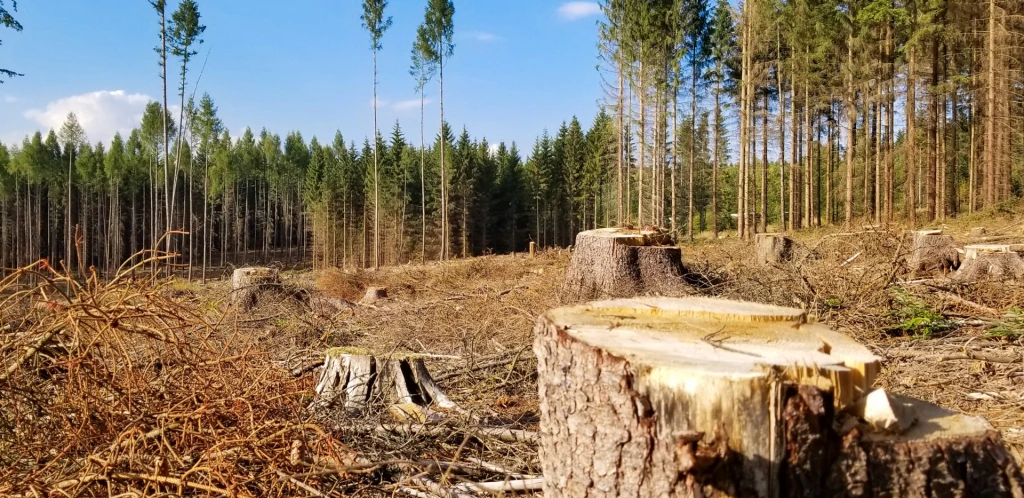
Deforestation contributes to heat-related deaths: with ~15 billion trees cut yearly, lost canopy means hotter cities and countryside, while the released carbon accelerates the global warming behind deadly heatwaves. Trees are public-health infrastructure, not just scenery.
From felled trees to heat mortality
- Shade and evapotranspiration gone. Tree cover can cool local temperatures by several degrees; losing it exposes people to dangerous heat.
- Urban heat islands intensify. Treeless neighbourhoods run hotter — and their residents face higher heat-stress risk.
- Global warming compounds it. Deforestation's carbon emissions fuel the heatwaves that kill tens of thousands yearly.
- The vulnerable pay first: the elderly, outdoor workers and low-income communities with least tree cover.
Trees as a health intervention
Restoring tree cover is one of the most cost-effective defences against heat: shade, cooling, cleaner air and lower energy use. At planetary scale, reforestation slows the warming driving extreme heat in the first place — prevention at both the local and global level.
Plant where it counts
Evertreen funds verified reforestation that communities can see and trust — every tree geolocated and monitored. Plant trees, explore projects, or start by measuring your footprint.
Frequently asked questions
How does deforestation increase heat deaths? Locally by removing cooling shade and evapotranspiration; globally by adding CO₂ that intensifies heatwaves.
How much cooler are tree-covered areas? Urban tree canopy commonly lowers local temperatures by several degrees — enough to reduce heat-stress risk meaningfully.
What's the most effective response? Protect existing canopy, replant at scale, and prioritise tree cover in heat-vulnerable communities.
